
Smart plugs have become an essential part of modern smart homes, offering simple yet powerful control over everyday devices. For anyone in the UK looking to integrate voice control, smart plugs compatible with Alexa provide a seamless way to manage appliances remotely and hands-free. They enable users to switch devices on or off with voice commands or smartphone apps, enhancing convenience and energy efficiency.

With numerous smart plugs available on the market, choosing one that works best with Alexa and fits specific needs can be challenging. These devices vary in features such as energy monitoring, scheduling, and compatibility with other smart home platforms, making it important to select the right one to ensure smooth integration and reliable performance. This guide highlights top options for UK users, focusing on simplicity, affordability, and smart functionality.
Key Takeaways
- Alexa-compatible smart plugs offer remote and voice-controlled device management.
- Key features include energy monitoring, scheduling, and broad smart home compatibility.
- Selecting the right smart plug enhances convenience and energy savings in the home.
What Is a Smart Plug and How Does It Work With Alexa?
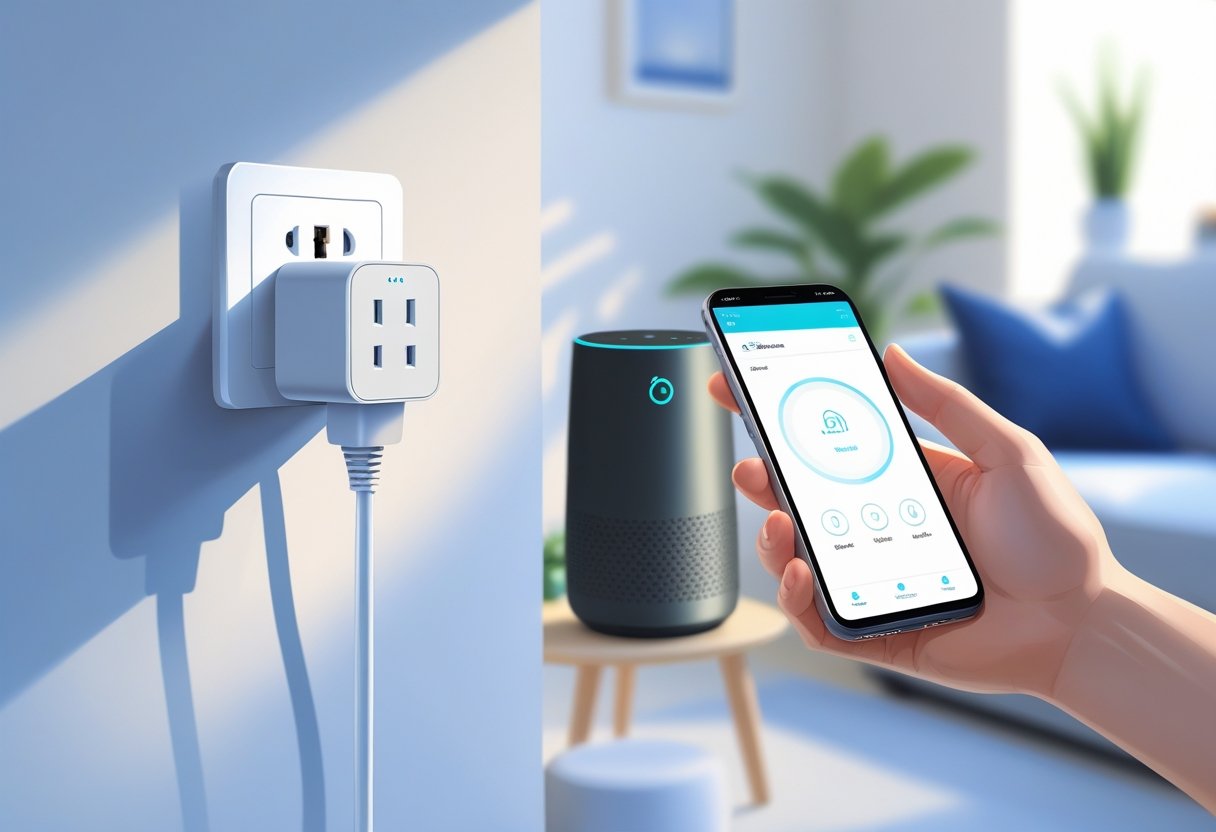
Smart plugs allow users to control electrical devices remotely, adding convenience and automation to everyday appliances. They integrate with voice assistants like Alexa to provide hands-free operation and scheduling options.
Understanding Smart Plug Technology
A smart plug is a device that fits into a standard electrical socket and connects to a home Wi-Fi network. It acts as a bridge, enabling control over the power supply to whatever device is plugged into it.
Users can switch devices on or off using an app on their smartphone or through automation routines. Many models also monitor energy usage, offering insights that help reduce electricity consumption. The technology supports timers, schedules, and remote access, making it flexible for various household needs.
Alexa Compatibility Explained
Smart plugs designed for Alexa come with built-in support for Amazon’s voice assistant. Once connected to the same Wi-Fi network and linked through the Alexa app, the plug becomes controllable via voice commands.
Alexa compatibility means the smart plug works seamlessly with other Alexa-enabled devices, allowing for integration into customised routines and groups. This connectivity simplifies managing multiple devices at once, improving the overall smart home experience in the UK.
Voice Control Features
Voice control with Alexa provides hands-free operation, making it effortless to turn appliances on or off. Users can say commands like “Alexa, turn on the living room lamp” to operate any device plugged into the smart plug.
This feature supports practical scenarios such as controlling lights without getting up or managing appliances while away from home. It also enhances accessibility for users with mobility challenges and contributes to energy saving by reducing standby power consumption.
Top Smart Plugs for Alexa in the UK
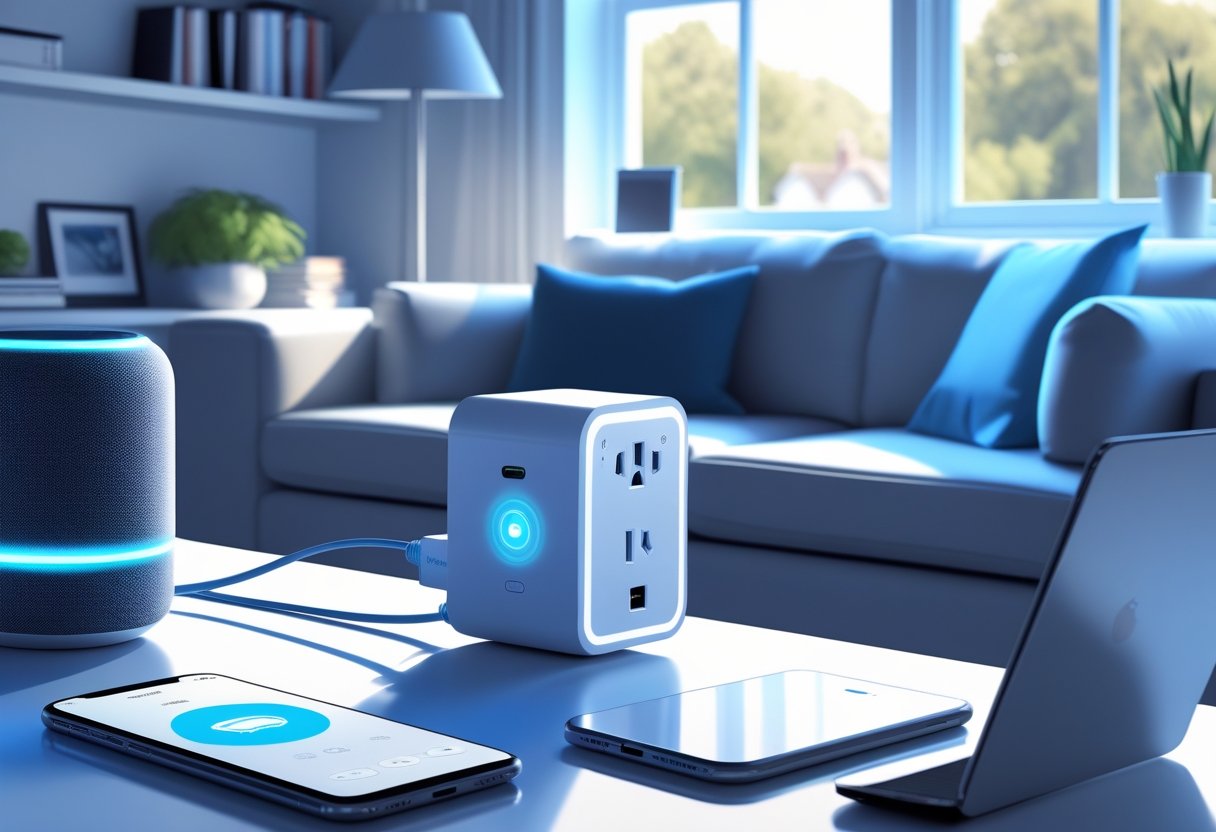
Smart plugs designed for Alexa compatibility vary across brand reputation, price, and features. Some models focus on affordability while others prioritise advanced energy monitoring and build quality. Selecting the right one depends on balancing cost with specific smart home needs like remote control, scheduling, and voice commands.
Leading Brands and Models
The market includes trusted names such as Amazon, TP-Link, and Wemo. The Amazon Smart Plug offers seamless Alexa integration and easy setup, making it ideal for Amazon device users. TP-Link’s Kasa Smart Plug stands out for reliability and a strong app interface, supporting scheduling and energy monitoring. Wemo’s Mini Smart Plug is noted for compact design and compatibility with multiple platforms including Alexa and Google Home.
These brands ensure stable performance over 2.4 GHz Wi-Fi and provide essential voice control features. Their plugs are certified for UK safety standards and allow remote switching on and off via Alexa or smartphone apps.
Best Budget Smart Plugs
For those prioritising cost-effectiveness, models like Gosund Smart Plug and Etekcity deliver solid features without a premium price. They support Alexa voice commands, scheduling timers, and remote control, suitable for basic smart home setups.
Budget plugs focus on simplicity and compatibility rather than advanced monitoring. They offer adequate power ratings (usually around 13A) for most domestic appliances and install without networking hassles. These options are well-reviewed for long-term reliability despite lower prices.
Premium Smart Plug Options
At the higher end, plugs offer enhanced energy monitoring, multi-device control, and integration with broader smart home ecosystems like SmartThings and Apple HomeKit. The EIGHTREE Smart Plug includes energy usage statistics, scheduling, and voice control with Alexa and Google Assistant.
Premium models may also feature better build quality, stronger Wi-Fi connectivity, and customised automation routines. They tend to support 2.4 GHz Wi-Fi exclusively but include advanced app control and often come with faster response times or local control options, suiting users with comprehensive smart home requirements.
Key Features to Look for in an Alexa-Compatible Smart Plug
Choosing the right Alexa-compatible smart plug involves examining specific features that affect usability, energy efficiency, and device control. Critical factors include the ability to track energy use, seamless compatibility with devices, robust build quality, and smooth integration with existing smart home systems.
Energy Monitoring and Scheduling
Energy monitoring lets users track how much electricity connected devices consume. This feature helps identify power-hungry appliances and can reduce energy bills by providing detailed usage data.
Scheduling options allow devices to turn on or off automatically at set times. This is useful for managing lighting, heating, or appliances without manual intervention, enhancing convenience and energy savings.
Some smart plugs include timers and countdown settings, enabling precise control. For efficient energy management, choosing a smart plug with both energy monitoring and flexible scheduling is highly recommended.
Device Compatibility
Smart plugs must work reliably with various appliances and Alexa-enabled devices. Users should verify that the smart plug supports Alexa voice commands without limitations.
It is important to check if the plug handles standard UK voltage and current ratings, typically up to 13 amps. Compatibility with other voice assistants or smart home ecosystems can be an added benefit.
Reading product descriptions for Alexa-specific support ensures smooth setup and operation. The plug should easily connect to the home Wi-Fi network and respond promptly to Alexa commands.
Design and Build Quality
A compact design prevents blockage of adjacent sockets, a common issue with bulkier smart plugs. Slim and well-shaped plugs optimise space on power strips and wall outlets.
The build quality should be robust, with durable materials and secure electrical contacts for safety. Look for devices that meet UK electrical standards and certifications.
Some models feature LED indicators for easy status checks without using the app. Overall, durable, compact, and safe construction improves long-term user experience.
Smart Home Integration
Effective integration with Alexa is essential for voice control of connected devices. The plug should support routines and scenes within the Alexa app to automate multiple actions.
Support for third-party smart hubs like SmartThings or Google Home broadens control options. This creates a unified smart home ecosystem where devices communicate seamlessly.
Compatibility with home automation protocols ensures the smart plug can be part of larger setups with lighting, sensors, and security devices. Reliable cloud and local control add to the flexibility.
Installation and Setup Guide for Alexa Smart Plugs
Installing and setting up an Alexa smart plug involves simple physical setup, connecting the device to the Alexa app, and addressing common issues like connectivity or pairing failures. Each step ensures the smart plug works seamlessly with voice commands and scheduled automation.
Setting Up the Smart Plug
To begin, plug the smart plug into a nearby power outlet. Ensure the device you want to control is connected to the smart plug’s socket. It is best to place the plug within stable Wi-Fi range for consistent performance.
Next, power on the device connected to the smart plug. Many plugs have an indicator light that signals they are ready to connect or in pairing mode. If the light isn’t blinking, press the button on the plug until it enters pairing mode.
Download the manufacturer’s app or, if included, the Alexa app will guide the process. Follow prompts to register the device within the app and connect it to your home Wi-Fi network.
Connecting to Alexa
Open the Alexa app on the smartphone and navigate to the Devices tab. Tap the “+” icon and select “Add Device.” Choose “Plug” from the device type options, then select the brand or model if prompted.
The app will scan for the smart plug over Wi-Fi. Once discovered, the user should assign a name to the smart plug, such as “Living Room Lamp,” to easily identify it later with voice commands.
After successful connection, test the plug by saying a voice command, like “Alexa, turn on the living room lamp.” The device should respond instantly.
Troubleshooting Common Issues
If the smart plug doesn’t enter pairing mode, ensure it is within range of the Wi-Fi router. Restarting the plug or resetting it according to the manufacturer’s instructions usually resolves the issue.
Connectivity problems can also stem from network settings. Confirm the phone and smart plug are connected to the same 2.4GHz Wi-Fi band, as many plugs do not support 5GHz networks.
If Alexa cannot find the device, check that the plug is added in the correct app and that the Alexa app is updated. Restarting the Alexa app or the smartphone can also help refresh the connection.
Regularly updating the smart plug’s firmware through its app improves stability and compatibility with Alexa.
Benefits of Using Smart Plugs With Alexa in the UK
Smart plugs compatible with Alexa offer a range of practical advantages for UK homes. They provide simple ways to control devices, reduce energy consumption, and manage appliances from anywhere. These benefits improve everyday living through greater efficiency and convenience.
Convenience and Automation
Smart plugs enable users to control devices hands-free via Alexa voice commands. This feature is particularly useful for lighting, fans, or small appliances, allowing quick and easy on/off switching without physical interaction.
Automation routines can be set so devices operate on schedules that fit daily habits. For example, lamps can turn on at dusk or kettles start boiling at a set time in the morning. This hands-off control saves time and simplifies household management.
They also integrate with other smart home devices. For instance, a smart plug can work with sensors to activate devices only when someone is present, enhancing comfort without manual input.
Energy Efficiency
Using smart plugs helps monitor and reduce energy consumption by cutting power supply to devices left on standby or unnecessarily running. This prevents energy waste and lowers electricity bills.
Many smart plugs include built-in timers or energy tracking features, allowing users to identify high-usage devices and optimise their power patterns. This transparency supports more responsible energy habits.
By automating shutdowns during off-peak hours, smart plugs contribute to more efficient home energy management. This approach is particularly relevant in the UK where energy costs and environmental concerns are increasingly important.
Remote Access Control
Smart plugs connected to a Wi-Fi network provide full remote control through a smartphone app. Users can switch devices on or off from anywhere, whether at work, on holiday, or in another room.
This remote access is useful for security, such as turning lights on to simulate occupancy or switching off forgotten appliances. It offers peace of mind and enhances home safety.
Additionally, integration with Alexa enables voice control even when away, as long as the plug remains online. This seamless interaction supports flexible and responsive home management wherever the user is located.
Safety, Security, and Privacy Considerations
Smart plugs connected to Alexa require careful attention to security. Users must ensure their Wi-Fi network is protected with a strong password to prevent unauthorised access. Regular firmware updates from the manufacturer are essential to patch vulnerabilities.
Privacy concerns arise as some devices collect usage data. It is advisable to choose brands that clearly state their data policies and offer options to limit data sharing. Some smart plugs prioritise privacy, avoiding unnecessary data collection.
Enabling two-factor authentication (2FA) on the associated Alexa account adds an important layer of security. Users should also review app permissions and disable those that are not required for operation.
Security best practices include:
- Using unique, strong passwords for smart home accounts
- Updating all connected devices regularly
- Separating smart home devices on a guest Wi-Fi network
A key risk is the potential for smart plugs to be exploited if the network is weak or the device lacks support. Therefore, researching how long a brand provides updates can guide safer purchases.
Physical safety is also important. Users should ensure smart plugs are compatible with their appliances and not overloaded, to minimise fire hazards. Devices certified by recognised safety standards offer reassurance.
Frequently Asked Questions
Smart plugs compatible with Alexa offer a variety of features including voice control, energy monitoring, and remote access. Selecting the right smart plug depends on factors like ease of integration, budget, and specific smart home needs.
What are the top-rated smart plugs compatible with Amazon Alexa in the UK?
Top-rated options include the Amazon Smart Plug, TP-Link Kasa Smart Plug, Wemo Mini, and Gosund Smart Plug. These devices reliably support Alexa voice commands and are popular in the UK market for their performance and compatibility.
How do smart plugs enhance my smart home experience with Alexa?
They allow hands-free control of appliances via voice commands. Users can schedule devices, monitor energy usage, and control plugged-in gadgets remotely through Alexa, improving convenience and home automation.
Can you recommend any energy-efficient smart plugs that work with Alexa?
Smart plugs with energy monitoring features like the EIGHTREE Smart Plug help track power consumption. This feature aids users in reducing energy waste and managing household electricity use more effectively.
What should I consider before purchasing a smart plug for use with Alexa?
Check compatibility with your Alexa device, Wi-Fi frequency (usually 2.4 GHz), and whether you need features like energy monitoring or remote control. Also, consider the plug size to avoid blocking adjacent sockets.
Are there any smart plugs that allow for remote access through Alexa while I’m away from home?
Yes, most Alexa-compatible smart plugs support remote access via the Alexa app. This lets users control devices from anywhere with an internet connection, ensuring flexibility and security.
How easy is it to set up and integrate a smart plug with my current Alexa ecosystem?
Setup is generally straightforward, involving connecting the smart plug to Wi-Fi and linking it with the Alexa app. Most leading brands offer detailed guides and quick pairing processes to streamline integration.
Last Updated on 12 December 2025 by YEG