
Finding the right collar for a small dog in the UK can be challenging due to their unique size and comfort needs. The best dog collars for small dogs combine proper sizing, lightweight materials, and secure fittings to ensure safety and comfort during daily use. This makes it essential for owners to choose options tailored specifically for smaller breeds to prevent discomfort or injury.

Small dogs benefit from collars that are adjustable and padded or made with soft-touch materials like neoprene or leather. Beyond functionality, these collars can also reflect a sense of style while providing durability and ease of maintenance, suited for different lifestyles in the UK. Understanding how to measure and select the appropriate design can help owners confidently equip their pets.
Key Takeaways
- The perfect collar for a small dog balances size, comfort, and security.
- Materials like soft leather or padded nylon enhance durability and comfort.
- Proper measurement and fit are crucial to prevent discomfort or escape.
What Makes a Great Dog Collar for Small Dogs in the UK
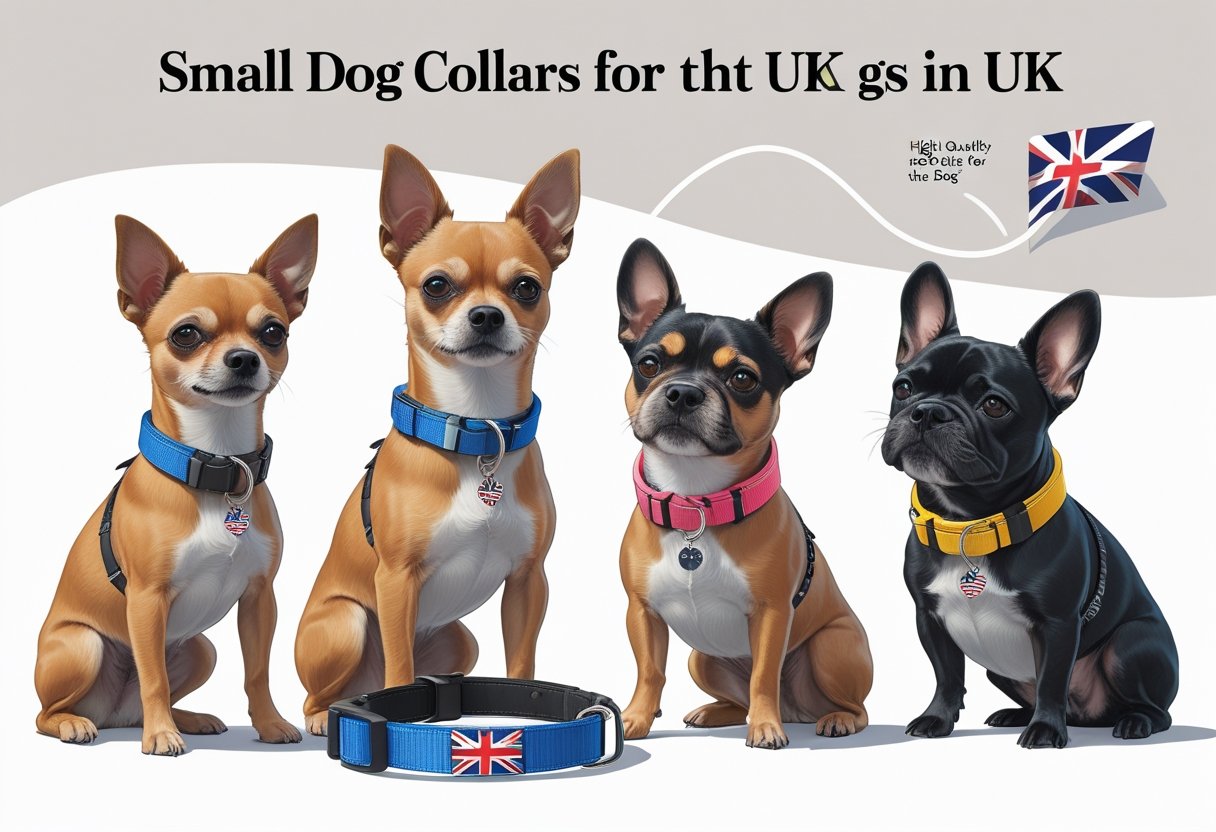
A great dog collar for small dogs balances safety, comfort, and practicality. It must suit the dog’s size, breed, and activity level while complying with UK guidelines. Attention to materials, fit, and features ensures the collar performs well without compromising the dog’s wellbeing.
Key Features to Look For
A small dog collar should prioritise lightweight, breathable materials such as nylon, canvas, or soft leather. These reduce irritation on delicate skin and suit daily use. Embroidered or printed contact details add a useful safety element.
Clasp type matters: traditional buckle collars provide secure fastening, while quick-release clasps offer convenience but risk accidental opening on walks. Reflective strips or LED options increase visibility during low-light conditions.
Adjustability is essential to ensure comfort as the dog grows or clothing layers change. Durable hardware, such as rust-resistant metal D-rings, guarantees functionality over time.
Understanding UK Regulations for Dog Collars
UK law requires all dogs to wear a collar with name and address details when in public spaces. This is either legal compliance or best practice to ensure quick identification if a dog gets lost.
Certain collars, like choke chains, prong collars, or shock collars, are heavily discouraged or regulated due to safety concerns. Trainers and vets recommend avoiding these for small dogs because they may cause injury or distress.
Collars must not be so tight as to cause choking but should prevent escape. Compliance with these rules supports responsible dog ownership and reduces risks.
Importance of Proper Fit and Sizing
Proper fit prevents injury, discomfort, and escape. A small dog collar should fit snugly but allow two fingers to slide comfortably between the collar and the dog’s neck. This avoids choking or skin irritation.
Measuring the dog’s neck circumference before purchasing is critical. Many brands offer size guides specific to small breeds such as Chihuahuas, Yorkshire Terriers, or Miniature Poodles.
Collars that are too loose can slip off, causing safety hazards, while overly tight collars restrict breathing and movement. Regular checks and adjustments accommodate growth or weight changes.
Top Recommended Dog Collars for Small Dogs in the UK
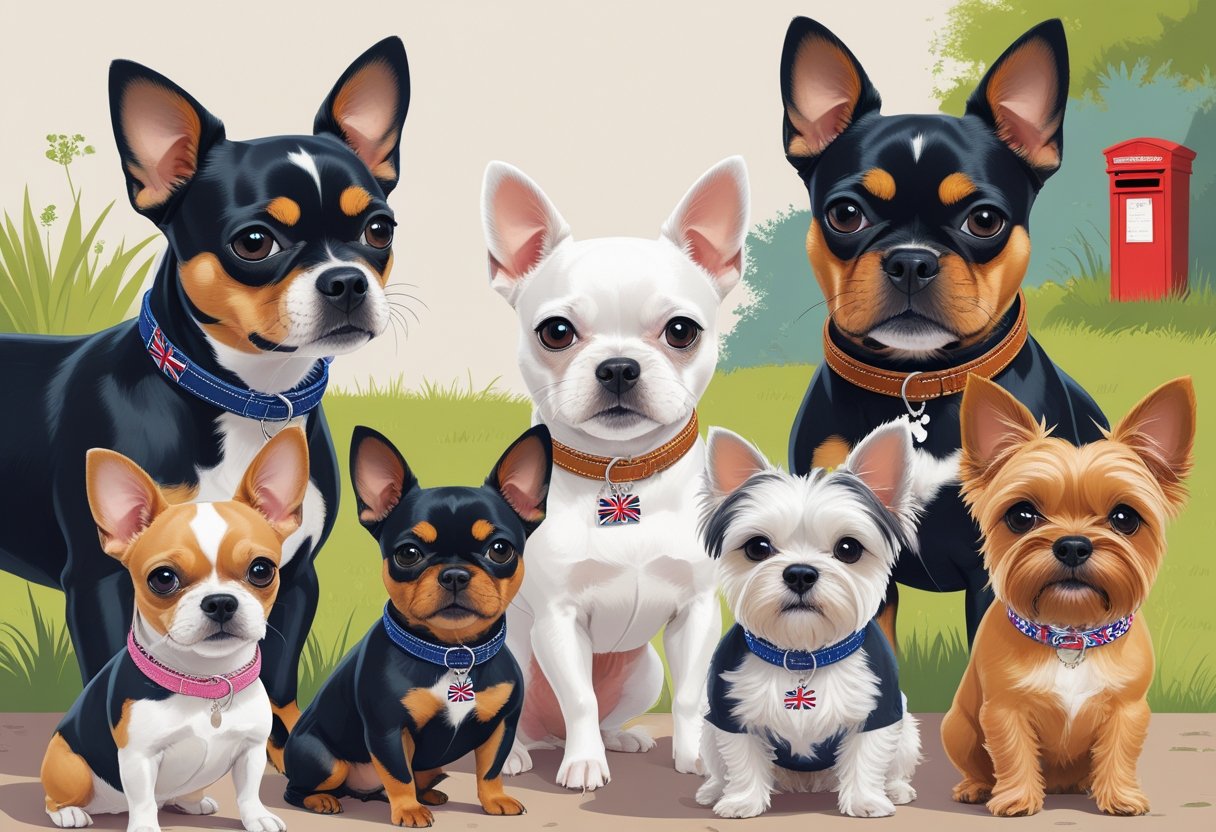
Finding the right collar for a small dog requires balancing comfort, safety, and durability without adding unnecessary weight. Suitable collars often feature adjustable sizing, secure buckles, and materials that suit the dog’s activity and environment.
Best All-Round Small Dog Collars
All-round collars for small dogs prioritise lightweight design and secure fit. Collars made from soft nylon or padded leather are common choices, offering flexibility and comfort for daily use. The Joules coastal pet collar is highly regarded for its quality and style at a reasonable price.
Durability is important, but small dogs need collars that won’t chafe or irritate. Adjustable straps ensure a snug fit for breeds like Miniature Poodles or Chihuahuas. Some collars include reflective stitching to improve visibility during low-light walks.
Personalised Collars and ID Options
Collars with personalised nameplates or sewn-in ID tags enhance safety by making identification quick and clear. Many UK sellers offer customisable options where owners can add names and contact numbers.
Personalised collars often come with reinforced hardware like metal buckles and engraved plates to withstand wear. Lightweight, low-profile designs are recommended to avoid discomfort, especially for dogs with delicate necks.
Waterproof and Weatherproof Collars
Waterproof collars are essential for small dogs exposed to rain or swimming. Materials like Biothane are popular for being both waterproof and easy to clean without losing flexibility.
These collars resist damage from moisture and mud, making them practical for active outdoor dogs. Clips and buckles are commonly rust-resistant metal or high-grade plastic to ensure long-lasting functionality in wet conditions.
Types of Dog Collars Suitable for Small Breeds
Small dog collars must prioritise comfort, fit, and safety due to the delicate necks of tiny breeds. Choosing the right type depends on the dog’s daily activities and behavioural needs, balancing secure control with gentle materials.
Flat Collars and Standard Buckles
Flat collars are the most common type, featuring a simple strap with a buckle or quick-release clip. They offer adjustability and come in various materials like nylon or leather, which should be lightweight and soft to avoid irritation.
For small dogs, a lightweight flat collar with a secure buckle is essential to prevent choking. These collars are ideal for everyday identification and leash attachment but are not recommended for training dogs that pull. Proper sizing ensures they fit snugly without restricting movement.
Martingale Collars for Safety
Martingale collars are designed to tighten slightly if the dog pulls, preventing the collar from slipping over the head. This type is effective for small breeds with slender necks, such as Greyhounds or Whippets, where standard collars may come off easily.
They offer more control without choking, as the tightening is limited to avoid injury. Martingale collars usually include a combination of fixed and adjustable loops to maintain comfort while enhancing safety during walks.
Harness Alternatives
Harnesses distribute pressure across a dog’s chest and shoulders instead of the neck, making them a safer option for small dogs prone to tracheal collapse or respiratory issues. They reduce strain and are better for dogs who pull on the lead.
Harnesses come in padded, adjustable designs suitable for small breeds, providing comfort and preventing accidental escapes. They are preferred for active walks or training sessions, offering control while protecting delicate neck structures.
Reflective and Light-Up Designs
Reflective and light-up dog collars increase visibility during low-light conditions, improving safety on early morning or evening walks. These collars often combine durable materials with reflective strips or integrated LED lights.
For small dogs, collars with adjustable brightness and secure fastenings are preferable to ensure comfort without added bulk. Visibility features help prevent accidents by making small dogs easier to spot on roads or in poor weather.
Choosing the Right Material and Design
Selecting the best collar material and design is essential for a small dog’s comfort, durability, and safety. Owners should consider the collar’s weight, flexibility, maintenance, and how it suits their dog’s activity level and skin sensitivity.
Nylon and Leather Collars
Nylon collars are lightweight, affordable, and come in a variety of colours and patterns, making them popular for small dogs. They dry quickly and are easy to clean, but may fray over time and cause irritation if the edges are rough.
Leather collars offer a more classic look and tend to be more durable than nylon. High-quality leather softens with wear and is gentle on the skin, which helps prevent chafing. However, leather requires regular maintenance to avoid cracking and can be less suitable for dogs who swim frequently.
Biothane Collars: The Modern Solution
Biothane collars are made from a synthetic material that combines the flexibility of nylon with the durability of leather. They are waterproof, easy to clean, and resist odors and stains, which suits active small dogs and those with sensitive skin.
These collars are lightweight but strong, offering excellent durability without sacrificing comfort. The smooth surface reduces rubbing and is less likely to cause irritation, making Biothane collars a practical choice for everyday wear.
Eco-Friendly and Vegan Options
For owners prioritising sustainability, vegan collars made from plant-based materials or recycled fabrics are available. These options avoid animal products and often feature natural dyes or low-impact finishes.
While eco-friendly collars vary in durability, many combine style and comfort suitable for small dogs. It’s important to check for secure hardware and quality stitching to ensure the collar remains safe during daily walks and play.
How to Measure and Fit Collars for Small Dogs
Measuring a small dog’s neck accurately is essential for choosing a collar that fits well and keeps the dog comfortable. Proper fitting prevents discomfort, chafing, and the risk of the collar slipping off or being too tight.
Step-by-Step Measuring Guide
Use a soft tape measure to find the exact neck size. Wrap it snugly around the middle of the dog’s neck where the collar will sit, usually just below the jawline. Avoid measuring too tightly; leave enough room to slip a finger between the tape and the neck.
Record the measurement in centimetres or inches. Add 1 to 2 cm (around 0.5 to 1 inch) for comfort and adjustment. Compare this measurement against the size chart provided by the collar brand to select the right small dog collar.
If a tape measure isn’t available, use a piece of string instead, then measure the string with a ruler. Consistency in measurements ensures the collar will neither be too loose nor too tight.
Tips to Ensure Comfort and Safety
Apply the two-finger rule to check fit: two fingers should fit comfortably between the collar and the dog’s neck without forcing. This space prevents choking or discomfort during movement.
Choose collars made of soft, lightweight materials to suit small breeds. Adjustable collars with a buckle or slide allow for growth and seasonal coat changes. Regularly check the collar’s fit, especially for puppies.
Avoid collars that are too wide or heavy, as they may cause strain on a small dog’s neck. Also, ensure any hardware is secure but not bulky. A properly fitted collar improves safety during walks and daily activities.
Essential Accessories and Maintenance Tips
Choosing the right accessories for small dogs improves both safety and comfort. Alongside collars, leads and harnesses should complement each other in material and size. Regular cleaning and proper care extend the collar’s life and maintain hygiene.
Matching Leads and Harnesses
Leads and harnesses should be appropriately sized for small dogs to prevent strain or injury. Lightweight materials like nylon or padded leather work well to provide comfort without adding bulk. Matching the collar and lead in fabric and colour enhances a coordinated look.
Harnesses designed for small breeds distribute pressure evenly across the chest rather than the neck, reducing the risk of choking. When selecting a harness, adjustable straps ensure a snug fit without restricting movement. Reflective or high-visibility materials help with safety during low-light walks.
In summary, a matching set of collar, lead, and harness designed for small dogs offers better control and comfort while walking.
Cleaning and Caring for Collars
Regular cleaning prevents dirt buildup and skin irritation, especially for small dogs with sensitive skin. Most collars can be hand washed with mild detergent and warm water. Avoid harsh chemicals that can damage materials or cause irritation.
Leather collars require special care; conditioning keeps the leather supple and prevents cracking. For fabric collars, quick drying is important to avoid bacteria growth. Inspect collars frequently for signs of wear such as fraying, loose stitching, or broken buckles.
Proper care prolongs the collar’s durability and ensures it remains safe and comfortable for daily use.
Frequently Asked Questions
Selecting the right collar for a small dog involves understanding fit, materials, durability, and safety. Knowing how to measure correctly, which materials withstand UK weather, and the trusted brands can ensure comfort and protection. Proper cleaning and maintenance also extend the collar’s life.
What are the top-rated dog collars for small breeds available in the UK?
Top-rated collars include embroidered canvas models, soft-touch leather, and adjustable nylon options. These collars combine style, comfort, and durability, often featuring personalised embroidery. Many are vet-approved and cater to small breeds’ delicate necks.
How do I measure my small dog correctly for a collar to ensure a perfect fit?
Measure your dog’s neck circumference with a soft tape measure, allowing space for two fingers between the collar and neck. It is important to measure where the collar will rest to ensure comfort and avoid slipping. Adjustable collars offer the best fit for growing or smaller dogs.
Can you recommend durable materials for small dog collars suitable for the UK weather?
Canvas, nylon, and leather are durable and practical for UK conditions. Canvas is breathable and good for sensitive skin, while nylon offers water resistance and easy cleaning. High-quality leather is durable but requires more maintenance to protect against moisture.
What safety features should I look for when choosing a dog collar for a small dog?
Look for collars with secure buckles or clasps that won’t easily release. Breakaway features can prevent choking hazards if the collar gets caught. Soft padding reduces irritation, and reflective elements improve visibility in low light.
Are there any specific brands known for high-quality small dog collars in the UK?
Several UK-based brands offer small dog collars with good reviews and vet approval. These brands include those specialising in embroidered canvas designs and bespoke leather collars. It is best to check customer feedback and product guarantees.
What is the best way to clean and maintain a dog collar for a small dog?
Canvas and nylon collars can often be hand-washed with mild detergent and air-dried. Leather collars require special conditioner treatments to maintain suppleness and prevent cracking. Regular checks for wear and tear will keep the collar safe and functional.
Last Updated on 13 December 2025 by YEG