
Choosing the perfect collar for a dog goes beyond simple aesthetics. It reflects the dog’s personality and ensures both safety and comfort. A collar that matches a dog’s temperament and lifestyle supports their wellbeing while making daily walks more enjoyable and secure.
The ideal dog collar balances fit, material, and style. Whether a soft leather collar for comfort or a durable nylon option for active dogs, selecting the right type depends on size, behaviour, and personal needs. Understanding these factors is crucial, especially when shopping for the best dog collar in the UK market.
Pet owners should also consider how the collar expresses their dog’s unique character. Combining practicality with personality transforms this essential accessory into a statement that suits both dog and owner. This guide will help navigate options to find the perfect match.
Key Takeaways
- The right collar enhances a dog’s comfort and safety.
- Fit and material choice are key to long-term wearability.
- Matching personality with style creates a better experience for dog and owner.
Why Choosing the Perfect Dog Collar Matters
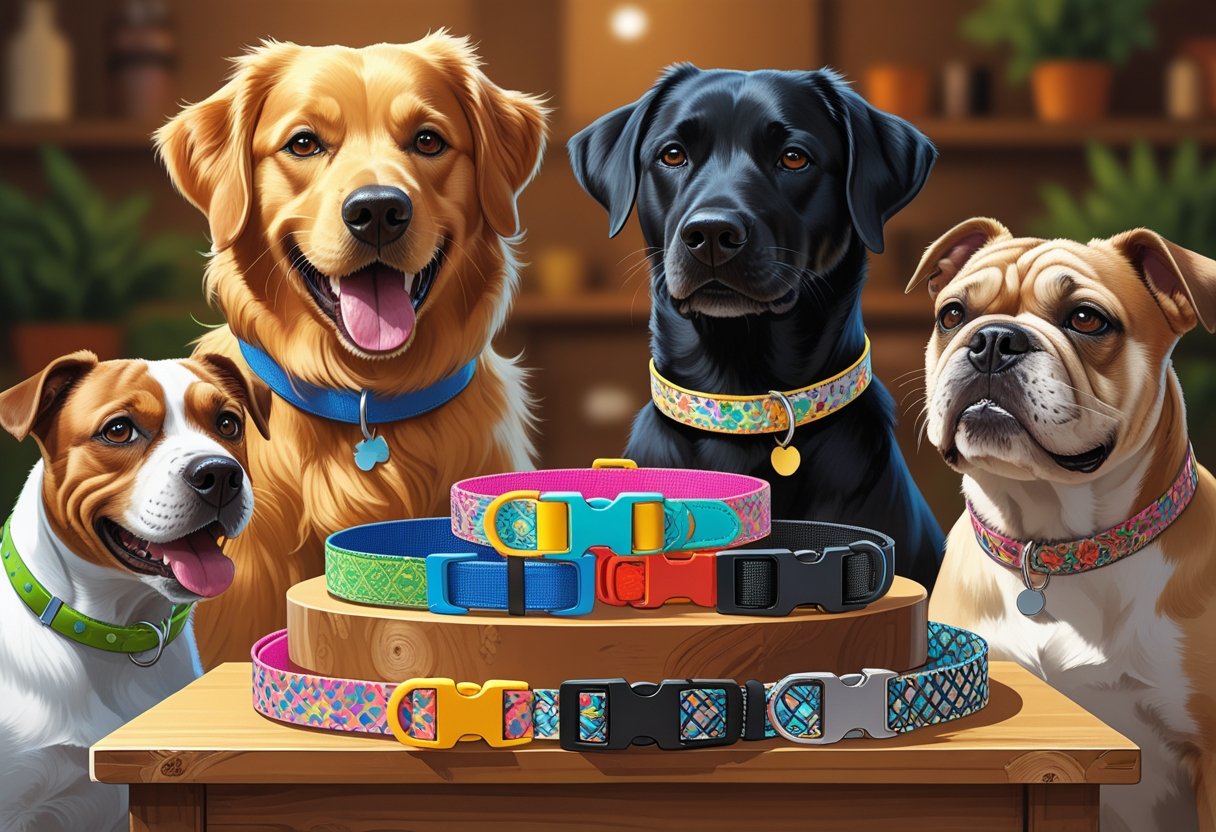
Selecting the right dog collar is critical beyond aesthetics. It plays a vital role in a dog’s safety, daily comfort, and adherence to local regulations. Each factor demands careful consideration to ensure the collar meets the dog’s specific needs.
Safety and Identification Roles
A dog collar primarily serves as a point for attaching identification tags, leashes, and safety features. ID tags must be securely fastened and clearly display the owner’s contact information for recovery if the dog is lost.
Safety features, such as quick-release buckles and reflective material, reduce risks. Quick-release buckles prevent choking hazards, while reflective collars improve visibility during low-light walks. The perfect dog collar should balance durability with these safety elements, especially for active dogs or those in busy urban areas.
Impacts on Comfort and Well-Being
Comfort is essential to prevent skin irritation or behavioural issues. The collar needs to fit snugly yet allow two fingers to slide between the collar and the neck to avoid restricting breathing or movement.
Material choice affects comfort. Soft nylon or padded leather collars reduce chafing, while collars that are too rigid or heavy can cause discomfort. Dogs with sensitive skin require hypoallergenic options. Choosing a collar that suits the dog’s size, weight, and coat type promotes well-being and encourages positive behaviour.
Regulations and Legal Considerations
Dog owners must comply with local laws mandating collars, identification, or microchipping. Some UK councils require dogs to wear collars with contact details when in public spaces.
Choosing the perfect dog collar also involves understanding legal requirements for certain breeds or areas, such as those needing anti-escape or specially designed collars. Adhering to these rules avoids fines and ensures the dog’s safety and the owner’s legal compliance.
How to Match a Collar to Your Dog’s Personality
Selecting the right collar involves more than size and safety—understanding a dog’s behaviour and temperament ensures comfort and functionality. Different personalities need different collar types and styles to support their activity levels, sensitivity, and unique characteristics.
Assessing Personality Traits
The first step is to observe the dog’s behaviour closely. Energetic dogs often require durable and secure collars that can withstand active movement and occasional tugging. Calm or sensitive dogs benefit from softer materials that don’t irritate the skin or cause discomfort.
Consider if the dog is easily distracted, shy, or stubborn. These traits influence collar features such as adjustability, breakaway mechanisms, or control elements. For example, a playful dog might need a quick-release collar for safety, while a more independent dog might benefit from a sturdy buckle collar to prevent slipping.
Collar Styles for Energetic Dogs
Active dogs usually need collars designed for durability and comfort during physical activity. Nylon or leather collars with strong buckles are ideal because they combine endurance with a secure fit.
Collars with reflective trims or bright colours improve visibility during outdoor play. Options like martingale collars help prevent escape while avoiding choking, making them suitable for dogs prone to slipping out of traditional collars.
Adjustable collars allow for growth or changes in weight, which benefits puppies or dogs who fluctuate in size due to their lifestyle and activity levels.
Best Choices for Calm or Sensitive Dogs
Dogs with sensitive skin or gentle personalities require soft, lightweight collars that avoid irritation. Materials like padded nylon or soft leather can reduce chafing and enhance comfort during wear.
Collars with breakaway features are useful for dogs that might get startled or stuck, allowing them to escape safely without harm. Avoid heavy hardware or tight fittings that can cause distress or discomfort.
Colour and texture matter since some dogs may resist collars with noisy tags or excessive metal parts. Simple, quiet designs often work best to suit their calm demeanor.
Expressing Style and Individuality
A dog’s collar is a way to showcase personality through both function and appearance. Owners can choose patterns, colours, and personalised ID tags to reflect the dog’s unique character.
Bold prints suit energetic or playful pets, while muted tones complement reserved or sophisticated dogs. Reflective collars combine safety with style, especially for evening walks.
Customisable options allow for name embroidery or charms, providing both identification and personal flair. This approach balances practicality with a touch of individuality, enhancing owner and pet connection.
Understanding Types of Dog Collars
Choosing the right collar involves understanding the purpose and function of different styles. Each collar type suits specific needs, from basic daily wear to more controlled training situations or specialised functions.
Flat Collars for Everyday Use
Flat collars are the most common type and ideal for everyday wear. They consist of a simple band of material, often nylon or leather, with a buckle or snap closure.
These collars are adjustable and comfortable, making them suitable for dogs of all sizes. They can securely hold ID tags and are appropriate for dogs who are well trained to walk on a lead.
A flat collar is not designed for training or correction but works well for everyday identification and attachment of leads. Its simplicity and comfort keep the dog safe during routine walks and outings.
Martingale Collars for Training and Security
Martingale collars offer extra control without choking the dog, designed especially for breeds with narrow heads like greyhounds. They tighten when pulled but have a limited closure to prevent over-tightening.
This type of collar is useful for dogs prone to slipping out of regular flat collars. It provides gentle correction, making it effective for training or improving lead control.
Martingale collars balance security and comfort, reducing the risk of injury during walks while ensuring the dog stays safely on the lead.
Speciality Collars and Alternatives
Speciality collars include prong collars, head halters, and GPS collars, each serving specific purposes. Prong collars apply pressure through metal links and are used only under professional guidance for strong or difficult dogs.
Head halters control a dog’s direction more effectively by guiding the head rather than applying neck pressure, which can be beneficial for reactive or large breeds.
GPS collars offer tracking features for safety but are not substitutes for basic collar functions. Selecting speciality collars depends on the dog’s behaviour and owner needs but requires careful fitting and use to avoid harm.
Sizing and Fit: Ensuring Your Dog’s Comfort
Proper sizing and fit are essential for a collar to provide comfort, safety, and control without causing irritation or injury. Accurate measurement, correct adjustment, and regular checks help maintain the perfect dog collar that suits the dog’s build and activity level.
How to Measure Your Dog’s Neck
Measuring the neck accurately is the first step to choosing the right collar size. Use a soft measuring tape and wrap it around the dog’s neck where the collar naturally sits, usually just below the larynx.
Avoid pulling the tape too tight. Record the measurement with the tape snug but not restrictive. If you don’t have a soft tape, a string can be used and then measured against a ruler.
Always measure the neck while the dog is standing to get the most accurate fit. Note this measurement before checking any size charts for collars to ensure compatibility.
Applying the Two-Finger Rule
The two-finger rule is a simple way to verify collar fit. Once the collar is fastened, you should be able to comfortably slide two fingers between the dog’s neck and the collar.
This rule ensures the collar is neither too tight nor too loose. A collar that’s too tight can cause discomfort and breathing issues. One that’s too loose risks slipping off during walks.
Regularly applying this check after collar adjustment helps maintain safety and comfort as the dog grows or changes weight.
Adjusting and Checking Fit Regularly
Dogs can gain or lose weight and their neck size can fluctuate, so frequent checks are important. Adjust the collar accordingly if it feels too tight or loose after a quick two-finger test.
Check for signs of irritation such as redness, hair loss, or sores. Replace collars that show wear or no longer fit correctly.
Set a reminder to inspect the collar monthly, or whenever there are noticeable changes in your dog’s size or behaviour during walks. This ensures the collar remains the perfect fit over time.
Materials and Their Importance: Finding What’s Best
Choosing the right material for a dog collar affects durability, comfort, and suitability for your dog’s behaviour and skin type. Different materials provide distinct advantages based on lifestyle, activity level, and potential allergens.
Benefits of Leather Collars
Leather collars are a classic option known for their strength and longevity. They become more comfortable over time as the leather softens with use, moulding to the dog’s neck shape.
A leather dog collar is durable and resistant to wear, making it ideal for active dogs. Natural fibres in leather also allow breathability, reducing skin irritation. However, they require regular cleaning and conditioning to maintain flexibility and prevent cracking.
Leather collars generally age well and develop a unique patina, combining style with function. This material suits dogs with normal skin sensitivities and owners seeking a traditional, sturdy collar.
Overview of Synthetic and Other Materials
Synthetic materials like nylon, biothane, and neoprene offer water resistance and quick-drying qualities. These collars tend to be lighter and often come in vibrant colours or reflective options.
Nylon collars are popular due to affordability and range, but they may fray over time if chewed. Biothane is a coated webbing that combines flexibility with waterproof strength, requiring little maintenance.
Neoprene collars provide cushioning and are excellent for dogs involved in water activities or with sensitive skin. These materials are often easier to clean and handle heavy outdoor use better than leather.
Material Choice for Dogs with Sensitivities
Hypoallergenic materials like hemp, neoprene, and certain treated leathers reduce allergic reactions and irritation. Dogs prone to rashes or dermatitis benefit from breathable, non-toxic fibers.
Soft finishes and padded collars minimise chafing. Avoid synthetic dyes or glues if the dog has known allergies. It is important to inspect the collar regularly and select materials certified free from harmful chemicals.
For sensitive dogs, looking for collars labelled as hypoallergenic or designed for sensitive skin ensures better comfort and reduces the risk of discomfort or infection.
Buying Guide: How to Choose the Best Dog Collar in the UK
Choosing the right dog collar means balancing comfort, durability, and safety. It also involves understanding your dog’s size, breed characteristics, and any relevant legal requirements in the UK. Selecting from reputable brands ensures quality and peace of mind during walks and outings.
Key Features to Evaluate
When assessing dog collars, material is critical. Leather offers durability and classic style but requires maintenance to avoid wear. Nylon collars are lightweight, affordable, and come in many colours but vary widely in quality. Reflective strips or stitching provide visibility during low light conditions.
The closure type matters: quick-release buckles suit active dogs needing fast removal, while metal buckles offer greater strength. Padding inside collars improves comfort and prevents chafing during long walks.
Collars designed for safety functions, such as escape prevention and anti-strangulation features, are beneficial for dogs prone to pulling or slipping out of collars.
Finding the Best Fit for UK Breeds and Sizes
A proper fit is vital to ensure the collar neither restricts breathing nor slips off. Measure the dog’s neck with a soft tape, allowing space for two fingers between neck and collar for a comfortable fit.
Different breeds have unique neck shapes. For example, Greyhounds have slim necks and broad heads, so a martingale collar is often recommended. For smaller or toy breeds, lightweight collars with soft fabrics are advisable to avoid neck strain.
Active dogs benefit from collars made of durable, water-resistant materials that hold up in wet UK weather. Adjustable designs provide flexibility as puppies grow.
Recommended Brands and Retailers
Among the best dog collar brands in the UK, Joules offers durable and stylish options at reasonable prices. Pets at Home stocks a wide range including budget-friendly and premium collars.
For bespoke or eco-friendly choices, Doodlebone provides high-quality, rigorously tested collars in various designs. Amazon UK and specialist pet stores also offer extensive selections but verify seller ratings and product reviews.
Seek collars with clear information on sizing and materials. Trusted retailers often include return policies, allowing exchanges if fit or style is unsuitable.
British Legal and Safety Standards
UK law requires dogs in public places to wear collars with identification, usually an ID tag displaying owner details. Failure to comply can lead to fines or legal actions.
Collars must be safe and not cause injury. The UK Kennel Club recommends avoiding choke chains or any collars that can cause choking as a corrective tool.
Reflective collars or those with integrated lights improve safety during early mornings or evening walks, complying with general UK road safety advice.
Always check that the collar meets British safety standards and is suitable for the dog’s behaviour and environment.
Looking After and Replacing Your Dog’s Collar
Proper care and timely replacement of a dog collar are essential for your pet’s safety and comfort. Regular inspection, cleaning, and knowing when to update the collar ensures it remains secure and effective at all times.
Cleaning and Maintenance Tips
Dog collars should be cleaned regularly to prevent dirt buildup, unpleasant odours, and skin irritation. Fabric or nylon collars can be hand washed using mild detergent and warm water. Metal components, like buckles and rings, should be wiped down and checked for rust.
Dry collars thoroughly before reapplying to avoid dampness that can cause discomfort or fungus. Inspect the collar’s stitching for frayed threads and ensure that buckles and clips work smoothly. Regular cleaning extends the collar’s lifespan and keeps it safe for everyday use.
When to Replace an Old Collar
Replace a collar immediately if it shows visible signs of wear, such as fraying, cracking, or broken hardware. A damaged collar can break unexpectedly, posing a risk during walks or outings.
If the collar becomes too tight or too loose due to changes in your dog’s size, it also needs replacing. To maintain optimal fit and safety, review the collar condition every few months, especially after active use in wet or rugged environments.
For dogs with specific needs, such as puppies or ageing pets, frequent checks and timely collar changes help avoid discomfort or injury.
Frequently Asked Questions
Choosing a dog collar involves understanding temperament, activity level, safety needs, measurements, materials, and matching the collar to the dog’s personality and lifestyle. These elements ensure a collar that fits well, is comfortable, durable, and suitable for the dog’s specific behaviour and environment.
What factors should be considered when selecting a collar for a dog with a unique temperament?
Temperament affects the collar choice significantly. For anxious or reactive dogs, a secure but gentle collar like a martingale can prevent slipping and reduce stress. Calm dogs may do well with simple flat collars.
Durability and comfort are vital for any dog with a strong or sensitive temperament. The collar should neither irritate nor restrict movement.
How does a dog’s activity level influence the choice of collar?
Highly active dogs need collars made from robust materials that can withstand wear and tear. Lightweight collars with moisture-resistant features suit dogs that swim or play outdoors frequently.
Less active dogs may do well with softer, more stylish collars without heavy-duty features.
What are the safety features to look for in a dog collar for pets who spend time outdoors?
Reflective or high-visibility elements increase safety during walks in low light. Quick-release buckles prevent accidents but should not compromise security.
ID tag attachments must be strong and easily accessible, ensuring identification if the dog gets lost.
How can you measure your dog to ensure the best fit for a new collar?
Measure the circumference of the dog’s neck with a soft tape measure, leaving enough room to fit two fingers underneath for comfort. Avoid collars that are too tight or loose.
Checking the fit regularly is important as dogs can gain or lose weight over time.
What materials are recommended for dog collars for lasting durability and comfort?
Leather collars offer durability and comfort but require regular conditioning to prevent cracking. Nylon collars are lightweight, water-resistant, and easy to clean, making them popular for active dogs.
Ensure materials are skin-friendly to avoid irritation or allergies.
Can you suggest some tips for matching a dog collar to my dog’s personality and lifestyle?
Choose colours and styles that reflect the dog’s energy and behaviour. For a sporty dog, a sturdy collar with reflective strips suits well.
For a laid-back pet, softer materials and classic designs offer comfort and simplicity. Consider the dog’s daily activities and environment when selecting features.
Last Updated on 1 December 2025 by YEG