
Keeping warm during the colder months is a priority for many households in the UK, and there are several ways to achieve that comfort. Central heating systems are a common solution, providing warmth to entire homes through radiators or underfloor heating. Alternatively, heated blankets offer targeted warmth, delivering heat directly to the user without needing to warm the whole house.
Heated blankets use electricity to generate heat on demand, which can be controlled by adjustable settings. They are portable and energy-efficient for individual use. Central heating, however, consumes more energy as it heats larger spaces, but it offers consistent warmth and can be more convenient for households with multiple occupants.
When deciding between a heated blanket and central heating, key considerations include energy consumption, cost, and the size of the area to be heated. We also looked at factors like installation, maintenance, and flexibility in use. To guide you through the best option for reducing energy bills, we compared both methods based on costs and efficiency in the UK context.
Best Heated Blankets and Central Heating Options
We have reviewed a range of heated blankets and central heating solutions to help you decide which is more cost-effective for your energy bills in the UK. Our list highlights options that balance warmth and energy efficiency to suit different needs and budgets.
PROALLER Heated Blanket
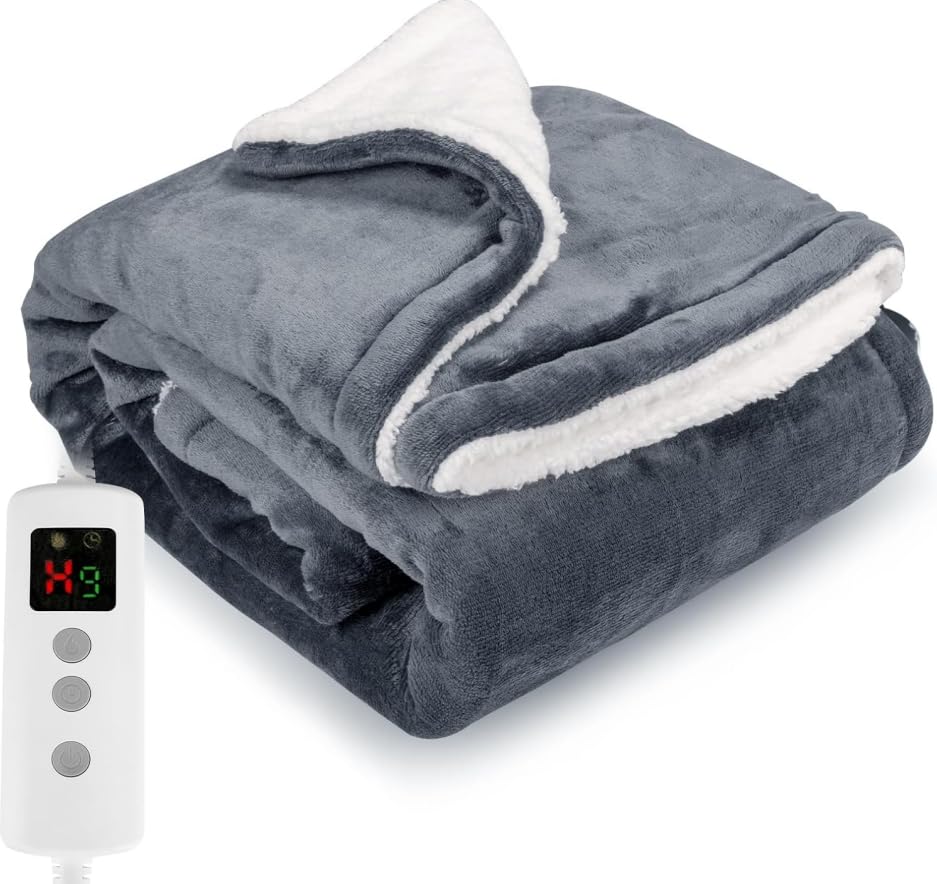
This heated blanket offers effective warmth with low running costs, making it a good alternative to central heating for targeted heating needs.
Pros
- Soft, reversible flannel and sherpa fabric provides comfort and warmth
- Wide size covers two adults comfortably
- 9-hour timer and 10 heat settings give full temperature control and safety
Cons
- Not as large as a full bedspread, so limited for whole-room heating
- Timer end not clearly indicated on the controller
- Power cable positioning requires care to avoid tangling
We found the PROALLER heated blanket particularly useful for warming just the area around us without heating the whole house. The reversible flannel and sherpa sides feel cosy and soft, perfect for cold evenings on the sofa or at the desk.
The adjustable heat levels allowed us to precisely control how warm we got, and the automatic shut-off after up to 9 hours gave peace of mind when used overnight or during naps. Energy usage is very low, costing only about 3p per hour, which compares favourably to central heating on a per-use basis.
While it’s not designed to replace full central heating systems, it’s a practical, cost-effective choice for spot-heating and staying warm without cranking up the thermostat. The size fits two adults well but isn’t suitable for larger bed coverage. Overall, it’s a reliable and energy-efficient heated throw for targeted warmth.
Qieryun Heated Throw Blanket
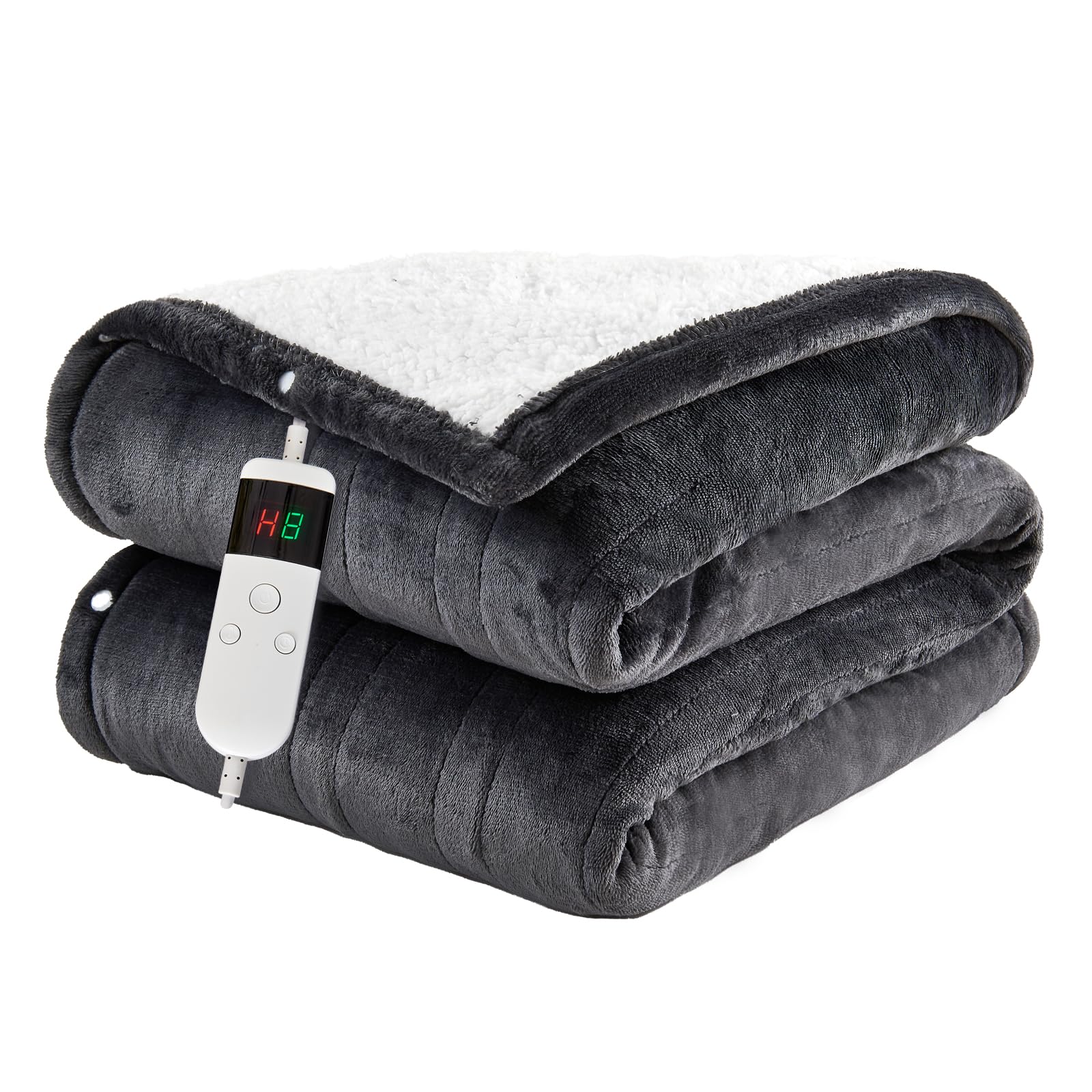
This heated throw delivers reliable warmth with versatile settings, making it a practical option for reducing central heating use and saving on energy bills.
Pros
- Soft, cosy material that heats quickly and evenly
- Ten temperature settings with easy one-button control
- Machine washable with built-in overheat protection
Cons
- Some users report occasional error codes after extended use
- Not suitable for tumble drying powered up
- Size may be small for larger beds or whole-room heating
Using this Qieryun heated throw, we appreciate how quickly it warms up and how comfortably it fits over shoulders or on the sofa. The combination of flannel and sherpa gives a plush feel that’s much nicer than many other electric blankets we’ve tried.
The adjustable timer is another great feature; it switches off after up to eight hours, helping us feel safe overnight without worrying about energy waste or fire risks. It’s perfect for targeted heating when you want to keep central heating off or lowered.
However, there have been a few instances where the controller showed error messages, which can be frustrating mid-use. Also, since it’s designed for spot heating, it’s not a replacement for heating an entire room but helps us save noticeable power when used consistently.
For those wanting a soft, adjustable, and reasonably priced way to stay warm while cutting central heating costs, this Qieryun Heated Throw Blanket is worth considering.
Proaller Heated Blanket 160x130CM

This heated throw is a practical choice for keeping warm efficiently, especially when you want to avoid heating the whole house.
Pros
- Soft, reversible flannel and sherpa fabric feels cosy
- Wide enough for two people, ideal on sofas or beds
- 10 heat settings plus a 9-hour timer for safety and convenience
Cons
- Some may find the size smaller than expected
- Timer end is not visually indicated
- Cable placement needs care to avoid discomfort
Using the Proaller heated blanket has been straightforward. The material is noticeably soft and warm, with the dual-sided design giving options depending on how cosy we want to feel. It heats up quickly, which means we don’t waste energy sitting cold.
The 10-level heat controller offers great flexibility. We’ve only needed mid-level settings to feel comfortable, and the timer provides peace of mind if we doze off. The automatic cut-off aligns well with our goal to save on energy compared to full central heating.
Overall, it’s a steady energy saver for spot-heating when the central heating feels too costly or inefficient. Plus, its machine washable feature makes maintenance hassle-free. This is an easy way to reduce the need to turn on expensive heating for the whole house.
Bedsure Heated Blanket
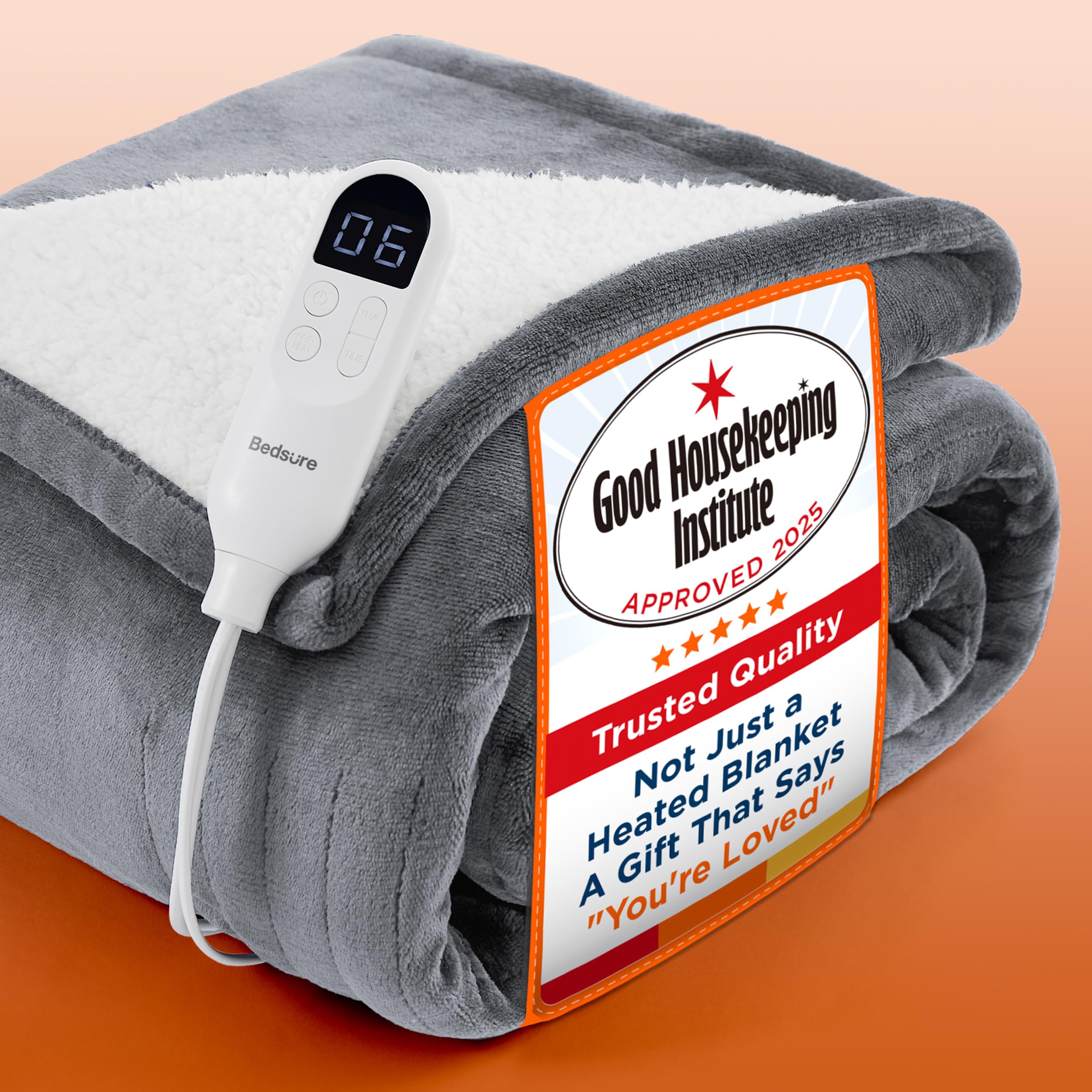
We found the Bedsure Heated Blanket a reliable and cost-effective way to keep warm without heating the entire room.
Pros
- Customisable heat settings with six levels and ten timers
- Low power consumption at 120W, helping reduce electricity bills
- Soft, machine-washable fabric with durable construction
Cons
- Mains lead could be longer and higher quality
- Small section occasionally fails to heat properly
- Heating only targets personal warmth, not the whole space
This electric throw proved a practical alternative to central heating for us, especially on chilly evenings. We appreciated the pre-heat function that warms gradually without sudden spikes, making it comfortable from the start.
With multiple heat and timer settings, it easily adapted to different needs. The low wattage means it uses noticeably less energy than central heating systems running a full house, which can save money in the long run.
Fabric softness and easy maintenance stood out. We could wash it without fading or damage, keeping it fresh for daily use. Although the cable length was a bit restrictive in our living room setup, the overall user experience was positive for targeted warmth.
If you want to save on heating bills and only warm the space around you, the Bedsure Heated Blanket is worth considering.
PKBD Heated Blanket Throw
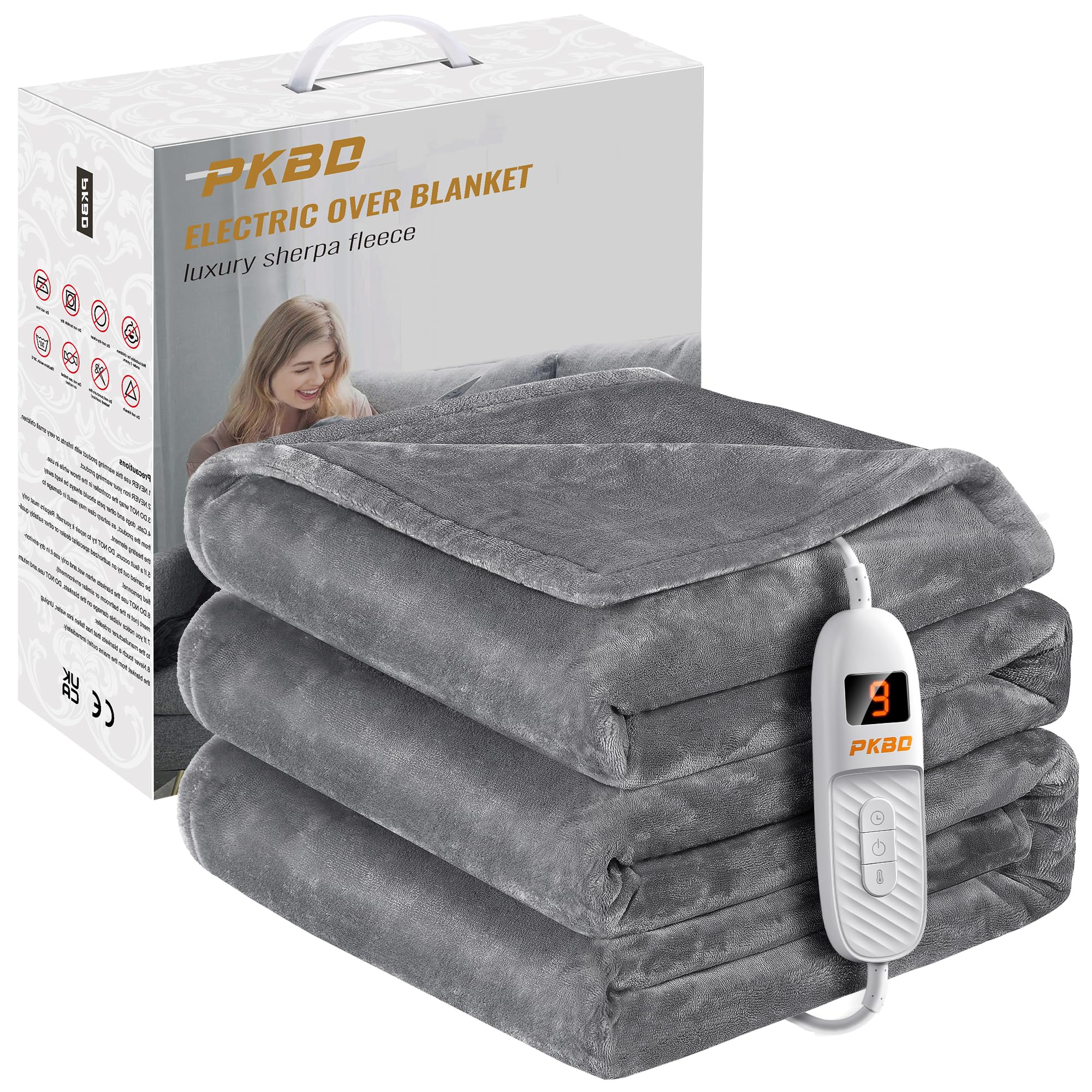
If you want a cost-effective, energy-saving way to stay warm, this heated blanket is a strong contender compared to central heating.
Pros
- Quickly heats up and evenly spreads warmth
- Nine heat settings with an automatic shut-off timer
- Soft, double-sided flannel material that feels gentle on skin
Cons
- Might take a bit longer to heat fully due to distributed warmth
- Limited size, not ideal for very large beds or rooms
- Requires manual washing after detaching controller
Using this heated blanket, we found it provides consistent and gentle warmth without the high energy consumption of central heating. It’s ideal for personal use in smaller spaces like bedrooms or offices.
The multiple heat settings let us find the perfect temperature, while the 9-hour timer prevents unnecessary power use overnight. The safety features, including automatic shut-off and overheating protection, give additional peace of mind.
Compared with running central heating for hours, the blanket noticeably reduced our energy costs while keeping us comfortably warm. Its soft fabric adds to the sense of comfort, making it a practical choice for those looking to lower energy bills.
Buying Guide
When choosing between a heated blanket and central heating, we first consider our budget and the size of the space to be heated. Heated blankets are best for personal use and smaller areas, while central heating suits heating multiple rooms.
We should look at energy efficiency ratings. Heated blankets typically use less power than central heating, which runs for longer periods. Checking the power consumption (watts) helps estimate costs.
Comfort and safety features are important. For heated blankets, we check if there are adjustable heat settings and an automatic shut-off. Central heating systems should have reliable thermostats and timers to avoid unnecessary energy use.
Portability and installation affect our choice too. Heated blankets require no installation, making them easy to use anywhere. Central heating involves installation costs and maintenance but provides whole-home warmth.
| Feature | Heated Blanket | Central Heating |
|---|---|---|
| Energy consumption | Low (usually 50-100 watts) | Higher (heats entire home) |
| Coverage | Personal/small area | Whole house |
| Installation | None | Required |
| Control | Individual heat settings | Thermostats, timers |
| Safety | Auto shut-off recommended | Professional servicing needed |
We prioritise durability and ease of cleaning for blankets. For central heating, we consider system type (gas, electric) and fuel costs in our region.
Choosing also depends on how often we need heating and whether continuous warmth or spot heating is more practical for our needs.
Frequently Asked Questions
We focus on energy costs, consumption, and efficiency when comparing heated blankets and central heating. Our answers provide precise insights into their impact on electricity bills and heating choices.
What are the running costs of using a heated blanket versus central heating in the UK?
A heated blanket typically uses 100-200 watts, costing around 5-10p per hour based on UK energy rates. Central heating operates at a much higher energy level, often several kilowatts, making it significantly more expensive per hour.
How does the energy consumption of an electric blanket compare to a home heater?
Electric blankets use minimal power, often below 0.2 kWh per hour, while home heaters consume between 1 and 3 kWh per hour. This makes heated blankets much more energy-efficient for targeted warmth.
Is investing in a heated throw a cost-effective decision for energy savings?
Heated throws offer focused heating, reducing the need to warm an entire room. This targeted approach can lower overall heating costs if used properly and combined with reduced central heating usage.
Which electric blanket offers the best balance of warmth and energy efficiency in the UK market?
Models with multiple heat settings and timers provide the best efficiency. Brands like Silentnight and Dreamland offer products that balance warmth with low electricity consumption.
Can using an electric blanket significantly impact my electricity bill?
Using an electric blanket regularly can add a small amount to your bill, typically under £5 per month. This is considerably less than full-home central heating, particularly during prolonged use.
What are the cheapest methods to heat a home during the colder months?
Layering clothing, using draft excluders, and heating only occupied rooms are cost-effective strategies. Electric blankets and portable heaters with timers and thermostats also help minimise energy use.
Last Updated on 20 November 2025 by YEG