
Air quality and moisture control are essential aspects of maintaining a healthy home environment. In the UK, issues like condensation and dampness frequently affect properties, especially older buildings and those with inadequate ventilation. Understanding the difference between these two problems is crucial for effective treatment and prevention.
Condensation occurs when moist air cools and forms water droplets on surfaces, often on windows or walls. Damp, however, is usually caused by water penetrating the structure itself, through leaks or rising moisture from the ground. Both can negatively impact indoor air quality and cause damage but require different approaches to resolve.
When choosing products or solutions for air quality and damp control, it’s important to consider the type and source of moisture you’re dealing with. Ventilation, heating, insulation, and dehumidifiers play different roles depending on whether the issue is condensation or damp. We examined common causes and remedies to clarify the distinction and help you address these problems effectively.
Best Products for Managing Condensation and Damp
We have carefully selected products that effectively address both condensation and damp issues in UK homes. Our list focuses on reliable solutions to improve air quality and control moisture, helping to protect your living space.
Knight 1000ml Dehumidifier 5 Pack
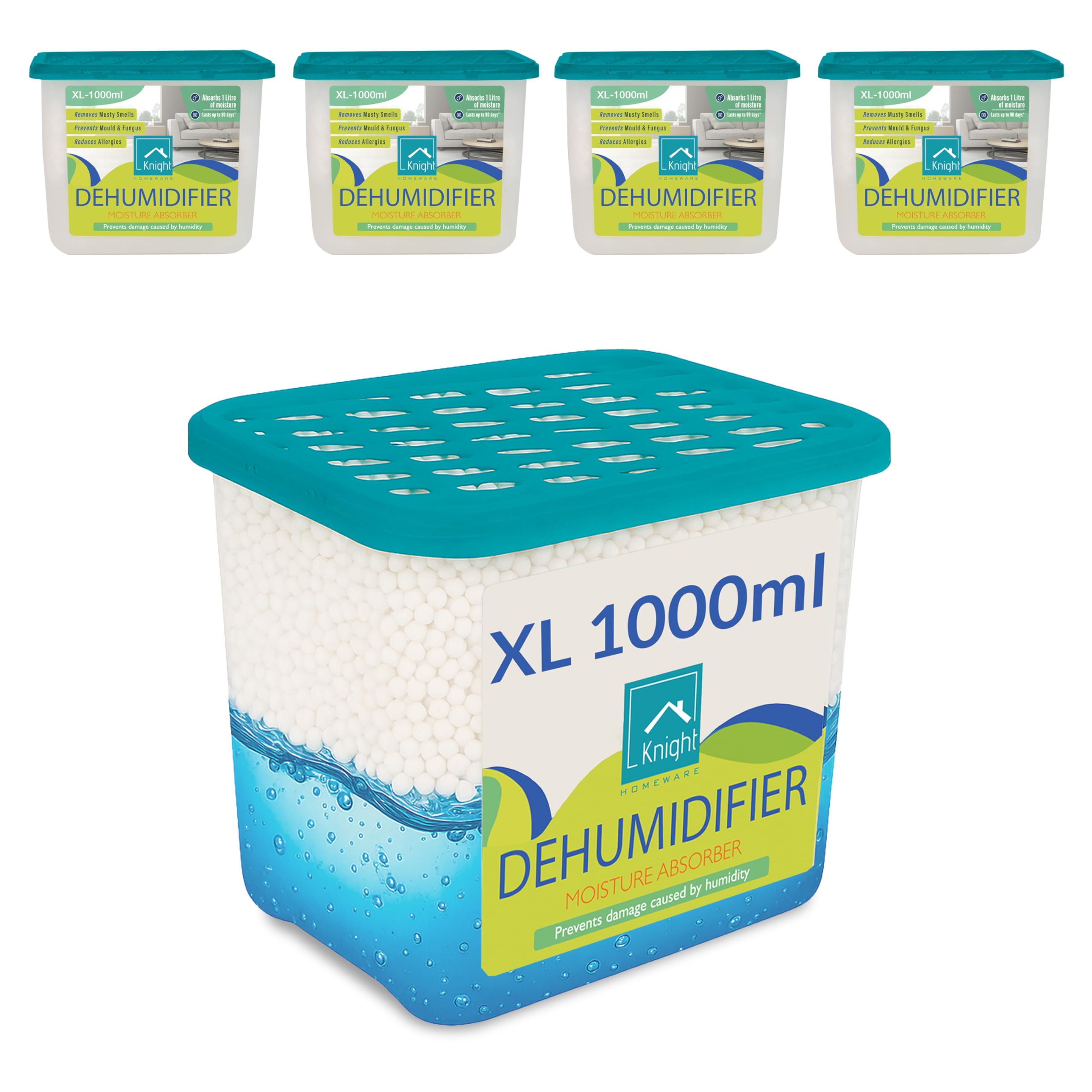
This dehumidifier pack is effective for reducing condensation and damp in enclosed spaces, making it a solid choice for homes needing consistent moisture control.
Pros
- Long-lasting up to 90 days per unit
- Works quietly without adding any scents
- Wide use across rooms, garages, caravans, and boats
Cons
- Takes time to show full results in very damp areas
- Some users find the granules can solidify if left too long
- Delivery speed may vary depending on supplier
We found the Knight dehumidifier easy to set up and appreciated how it quietly absorbed moisture without interfering with daily life. The large 1000ml capacity meant fewer replacements compared to smaller options we’ve used before.
The calcium chloride crystals effectively drew out dampness, especially in wardrobes and kitchens, helping reduce mould risks and musty smells. Since it is unscented, it avoids the artificial odours some other products produce, which we liked for bedrooms and living rooms.
While the results weren’t instant in heavily affected spaces, consistent use over several weeks showed a measurable drop in condensation on windows and walls. The compact design and quiet operation make it unobtrusive and practical for various home areas.
For those managing persistent damp or wanting a straightforward solution, the Knight 1000ml Dehumidifier 5 Pack offers reliable moisture control with minimal fuss.
UniBond AERO 360° Moisture Absorber

This moisture absorber works well for controlling damp and condensation in small rooms while keeping the air fresh.
Pros
- Effective moisture and odour control
- 360° air circulation enhances absorption
- Safe, spill-proof design and recyclable materials
Cons
- Can feel a bit flimsy during setup
- Lasts closer to 20 days in heavy moisture conditions
- Not suitable for use in vehicles or uneven surfaces
We’ve found the UniBond AERO 360° easy to set up and efficient at absorbing excess moisture, preventing condensation issues in wardrobes and small rooms. The level indicator makes it simple to know when it’s time to change the refill, which is helpful to avoid guesswork.
The unit’s airflow design really does promote better performance compared to flat moisture absorbers we’ve used before. Plus, it operates silently without any need for electricity, which keeps it hassle-free. On the downside, the plastic housing feels a little fragile and needs careful assembly.
If your area is very damp, the refill might not last the full three months as advertised. Still, the fresh scent left behind is a noticeable benefit compared to other absorbers that just trap moisture without neutralising odours.
For regular use in residential spaces up to 20m², this product provides a reliable and straightforward solution to condensation and damp problems.
DIVCHI Dehumidifier 500ml Pack of 5
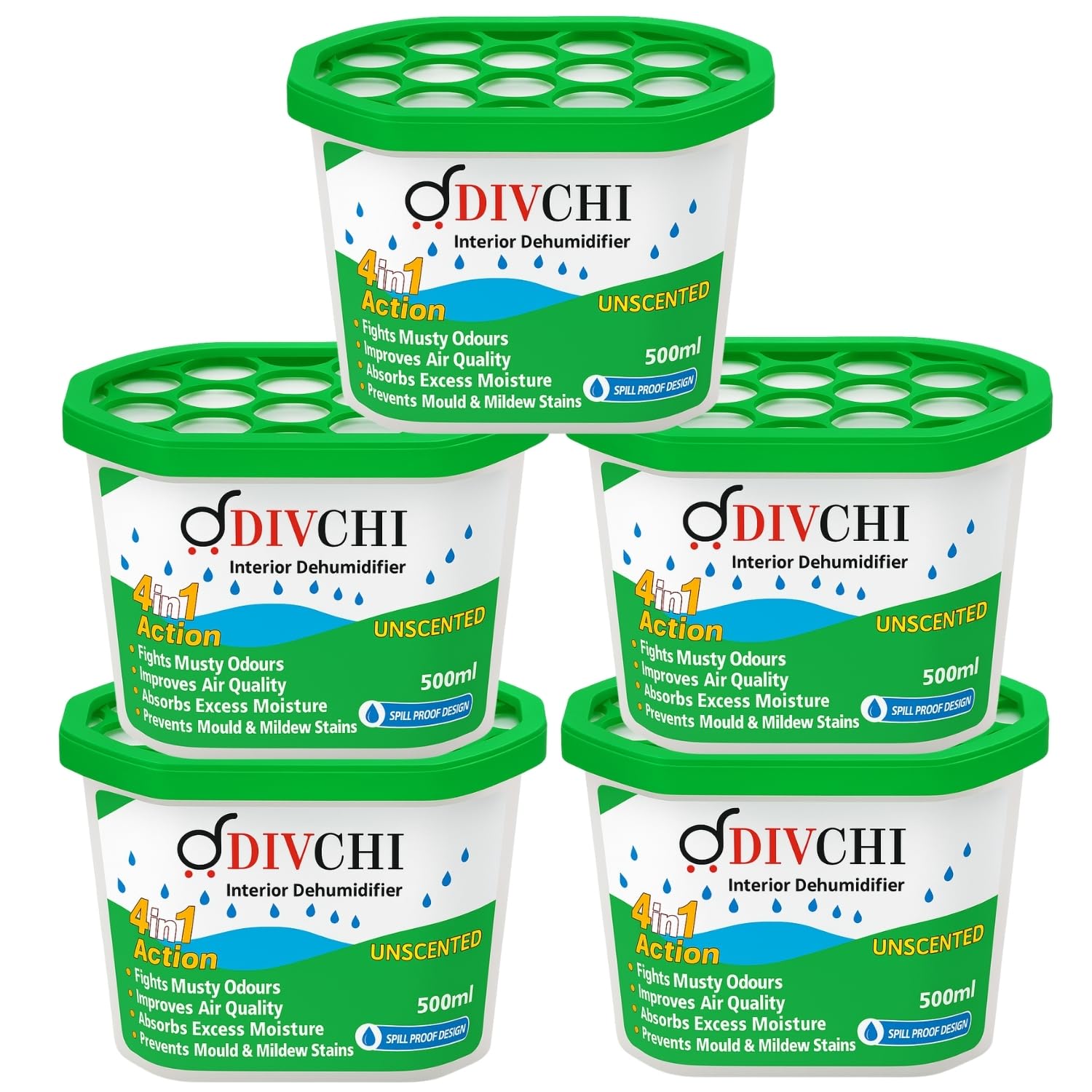
This is a practical, energy-free moisture absorber that helps reduce damp and condensation in small spaces without fuss or power.
Pros
- Easy to use—no electricity or maintenance required
- Lasts for weeks with a decent moisture capacity
- Compact and portable for versatile placement
Cons
- Takes a couple of days before moisture collection begins
- Limited to smaller rooms or confined spaces
- Absorption media can sometimes clump after opening
We found the DIVCHI dehumidifier straightforward to place in wardrobes and cupboards. It quietly traps moisture without needing power, which made it great for spots where plugging in a device isn’t ideal.
After about two days, we noticed visible water droplets forming inside the container, signalling it was working as expected. The 500ml size lasted several weeks before needing replacement, ideal for ongoing damp control.
The product is most effective in confined areas; it struggled a bit in larger rooms with heavier damp problems. Still, it prevented musty smells and reduced visible condensation in our test spaces. Overall, the convenience of no wiring and solid moisture removal made this a reliable, low-maintenance option.
1ABOVE Dehumidifier 500ml Pack of 5

This pack of five 1ABOVE dehumidifiers is a practical choice for reducing condensation and damp in multiple rooms without needing electricity.
Pros
- Simple to use and requires no power source
- Effective at reducing moisture and neutralising odours
- Portable and discreet, fitting easily in small spaces
Cons
- Limited capacity means frequent replacement in very damp areas
- Some pellets can clump together, affecting absorption
- Not suitable for large areas or severe damp problems
We found these dehumidifiers easy to place around the house—bathroom, wardrobes, and cupboards. They noticeably reduced moisture levels and helped control musty smells, which was a relief in our older property.
The hydrophilic crystals absorb moisture without any noise or power use, making them great for kids’ rooms or offices. We appreciated how lightweight and low-maintenance they are, requiring only to open and replace every few weeks depending on humidity.
While helpful for mild to moderate condensation, the small size limits their effectiveness in very damp spaces, and occasional pellet clumping was a minor hassle. Overall, they provide straightforward moisture control for everyday use.
Pro Breeze 1500ml Portable Dehumidifier
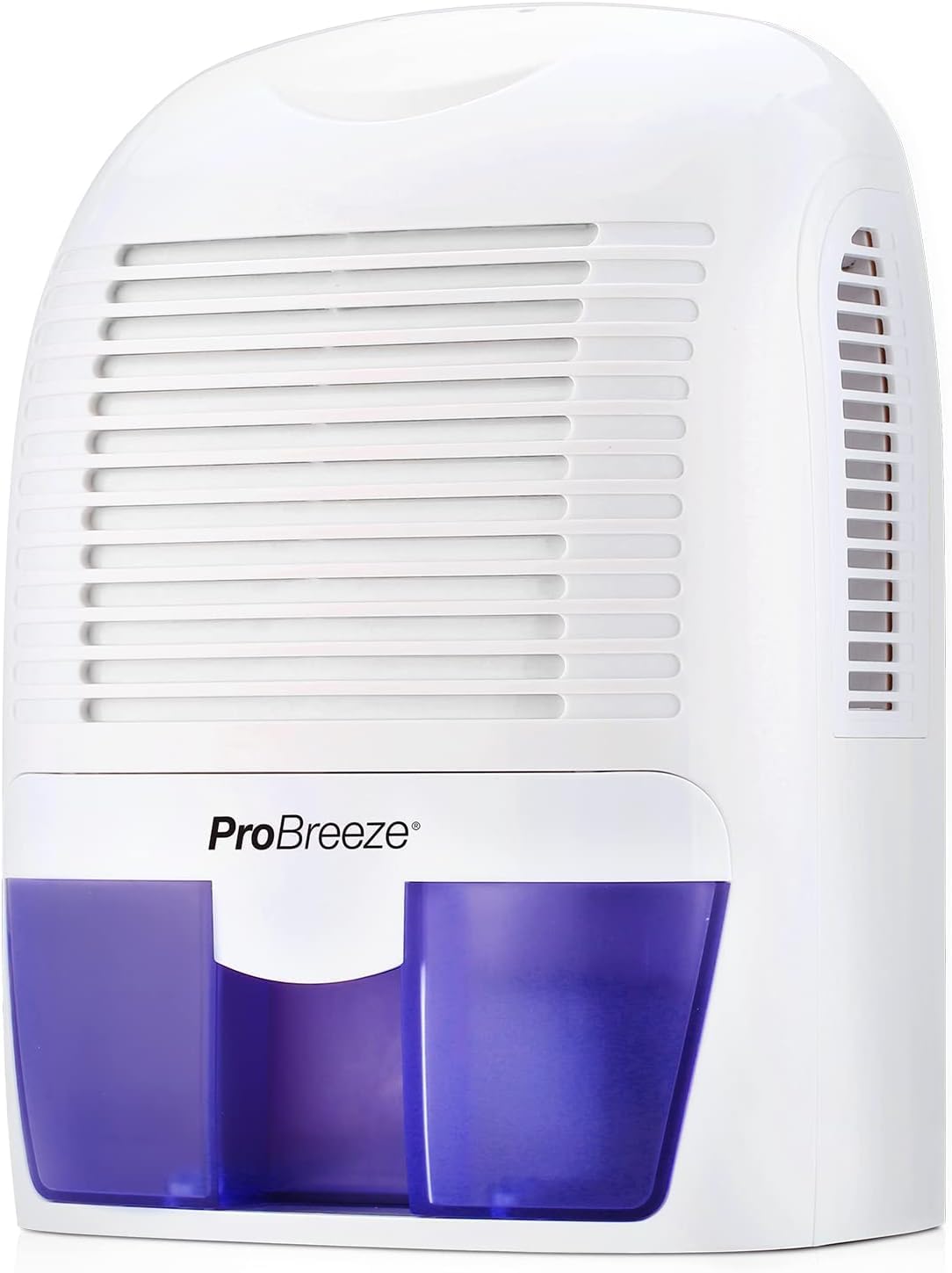
This compact dehumidifier is effective for small to medium rooms, quietly managing moisture and reducing damp with low energy use.
Pros
- Removes a substantial amount of moisture daily
- Very quiet operation, suitable for bedrooms and offices
- Energy efficient with low running costs
Cons
- Water tank needs frequent emptying in very humid conditions
- Single speed limits control over moisture removal rate
- Some users report issues with plug overheating
We found the Pro Breeze dehumidifier easy to set up and surprisingly quiet, thanks to its Peltier technology. It handled rooms up to around 220 sq ft well, keeping condensation and damp at bay without a noisy compressor.
The tank capacity of 1500ml gave a decent runtime before needing a refill, though in places with high humidity, it fills quickly and requires attention. The auto shut-off feature provided peace of mind by preventing overflow.
Its energy efficiency stood out, costing only about 1p per hour to run, so it’s a practical choice for long-term use in kitchens, bathrooms, or small offices. Overall, a reliable, straightforward option if you want to control damp without fuss.
Buying Guide
When tackling condensation or damp, choosing the right product is essential. We should focus on effectiveness, safety, and suitability for the specific issue in our home. Understanding the key features helps us make an informed choice.
Look for products designed to control moisture levels efficiently. For condensation, dehumidifiers or ventilation systems that boost airflow are useful. Damp control often requires anti-damp treatments or waterproof coatings that penetrate walls.
We need to consider the type of surface and severity of the problem. Some products work better on plaster, while others suit brickwork or timber. Also, check if the product is suitable for internal or external use.
Key Features to Look For:
| Feature | Why It Matters | Example Use |
|---|---|---|
| Moisture Absorption | Effective removal of excess moisture | Dehumidifiers |
| Water Resistance | Prevents water ingress in walls | Waterproof paints and coatings |
| Breathability | Allows walls to release trapped moisture | Anti-condensation paints |
| Ease of Application | Saves time and ensures good coverage | Spray or brush-on products |
| Safety | Non-toxic and safe for indoor use | Low-VOC formulations |
We should also check product certifications and user reviews. Products meeting British Standards often ensure quality and safety. Comparing price against features can help us balance cost and effectiveness.
In summary, the best product suits our home’s condition, is easy to use, and addresses the root cause of condensation or damp clearly.
Frequently Asked Questions
We often encounter common concerns about how condensation and damp affect our homes. Addressing heating, insulation, prevention, and identifying signs helps us manage these issues effectively.
What distinguishes condensation from damp in a residential property?
Condensation is the build-up of moisture on cold surfaces caused by excess humidity indoors. Damp refers to moisture penetrating walls or floors from external sources like leaks or rising ground water.
Condensation typically appears on windows or walls, while damp often creates persistent patches that smell musty and cause mould growth.
Can the absence of heating during colder months lead to increased damp problems?
Yes, a lack of heating can lower indoor temperatures, causing warm, moist air to condense on colder surfaces. This increases the risk of condensation-related damp.
Continuous low-level heating helps maintain surface temperatures above the dew point, reducing moisture accumulation.
Does wall insulation contribute to reducing indoor condensation levels?
Proper insulation raises the temperature of internal surfaces, making them less likely to attract condensation. It also helps maintain a stable indoor climate.
However, without adequate ventilation, insulation alone can trap moisture, so both must work together.
What proactive measures can be taken to prevent damp in homes?
We should ensure good ventilation, use extractor fans in kitchens and bathrooms, and maintain consistent heating. Checking for leaks and repairing guttering also prevents damp from external sources.
Using dehumidifiers in particularly humid areas can help lower indoor moisture levels.
What are the key indications that condensation is causing significant issues within a property?
Signs include water droplets on windows, black mould on walls and ceilings, peeling paint, and a damp, musty smell indoors. Frequent fogging of glass surfaces is another indicator.
If these signs persist despite airing the property, condensation may be a serious problem.
How can indoor condensation levels impact the overall air quality of a home?
High condensation leads to mould and mildew growth, which release spores and irritants into the air. This can worsen respiratory problems and allergies.
Maintaining balanced moisture levels improves air quality and protects our health.
Last Updated on 6 December 2025 by YEG