
Finding a reliable espresso machine without overspending can be challenging, especially in the UK market where prices vary widely. For those on a budget, there are quality options available that deliver solid performance, convenience, and features for under £200. These machines offer the essentials needed to enjoy café-style espresso at home without compromising on taste or brewing experience.

Espresso machines in this price range often include useful features such as milk frothers, 20-bar pumps, and compatibility with both ground coffee and pods. While they might not match premium models in durability or advanced settings, they provide good value, balancing affordability with the ability to produce consistent espresso shots and milk-based drinks.
Choosing the right budget espresso machine depends on understanding what features matter most and how each model performs in everyday use. This guide highlights some of the best options available in the UK, helping readers make informed decisions and get the most from their investment.
Key Takeways
- Espresso machines under £200 offer great value with essential brewing features.
- Many models include milk frothing and pod compatibility for versatile coffee styles.
- Knowing your needs helps select the best option for quality and convenience.
What To Expect From Espresso Machines Under £200
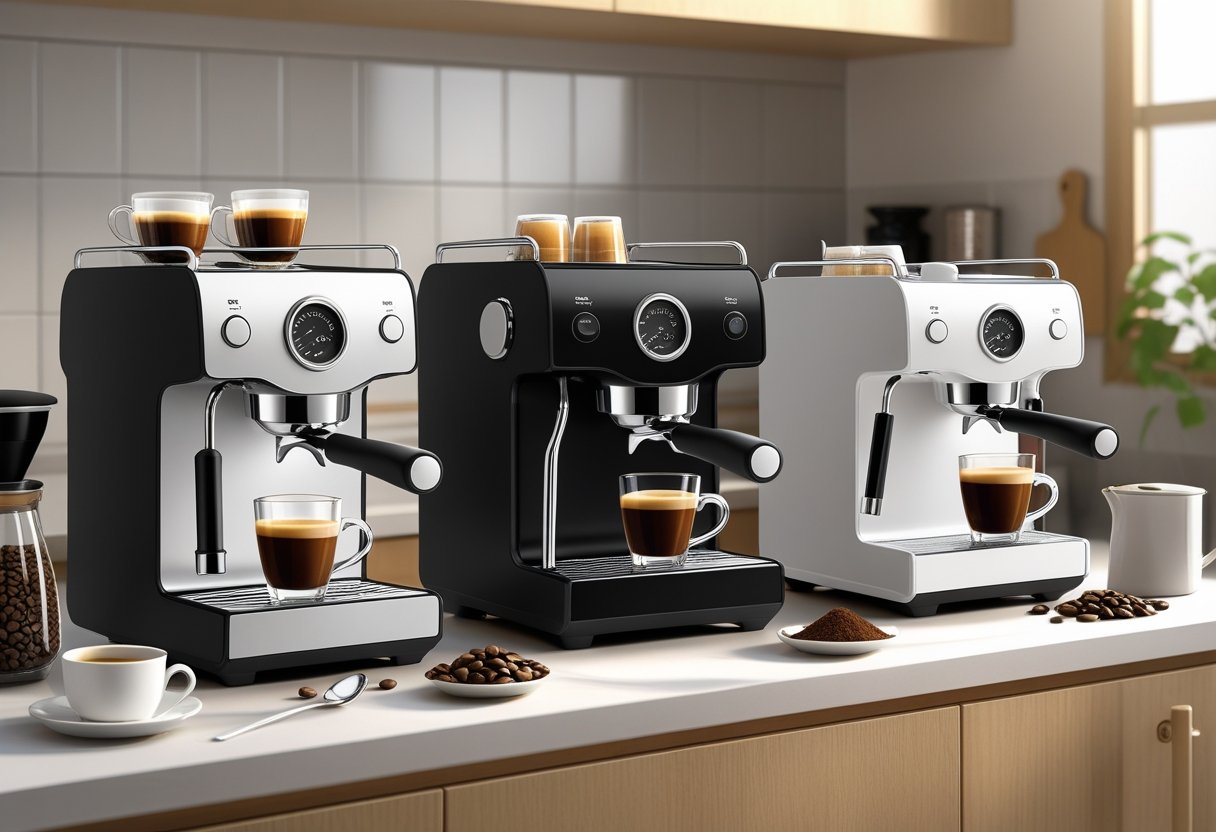
Espresso machines priced under £200 offer a practical entry point for home coffee enthusiasts. They balance functionality with affordability, delivering decent espresso shots and basic milk frothing features. However, there are clear trade-offs in performance and durability compared to higher-end models.
Key Features and Capabilities
Most espresso machines under £200 include a pump pressure system between 15-20 bars, sufficient for extracting a quality espresso crema. They usually feature a basic steam wand for frothing milk, allowing for simple cappuccinos and lattes.
Removable water tanks and compact designs are common, making these machines convenient for everyday use in small kitchens. Controls tend to be manual or with simple buttons or touch screens, focusing on ease of use rather than automation.
These machines often use standard single or dual filter baskets, compatible with ground coffee or ESE pods. Heating time ranges from 30 seconds to a couple of minutes, which suits casual coffee drinkers looking for efficiency without complexity.
Limitations Compared to Premium Models
Under £200, espresso machines generally lack advanced temperature control systems and pressure profiling found in higher-end models.
Automatic milk frothing or programmable shot volumes are rare at this price point. Build quality often relies on plastic components rather than durable metals, which can impact longevity.
Noise levels can be higher, and extraction consistency varies more between uses. Users may need to adjust grind size and tamping pressure manually to achieve the best results.
In summary, these machines provide decent espresso but will not deliver the barista-level consistency or full feature set of premium machines costing several times more.
Popular Brands and Models in the UK
Brands like Beko, De’Longhi, Sage, and AMZCHEF offer espresso machines within the under-£200 range, blending value and performance.
- Beko CEP5152B (£80): A manual espresso machine that produces a thick, robust crema with straightforward milk frothing. It prioritises fast, no-frills operation.
- AMZCHEF 20 Bar Espresso Machine: Compact stainless steel build, LED touch screen, powerful steam wand, making it suitable for cappuccino and latte preparation.
- De’Longhi and Sage entry-level models: Often include user-friendly interfaces and reputable pumps but limited programmability.
These options suit those seeking reliable, affordable coffee machines capable of espresso and basic milk drinks without advanced features or premium materials.
Types of Coffee Machines Under £200
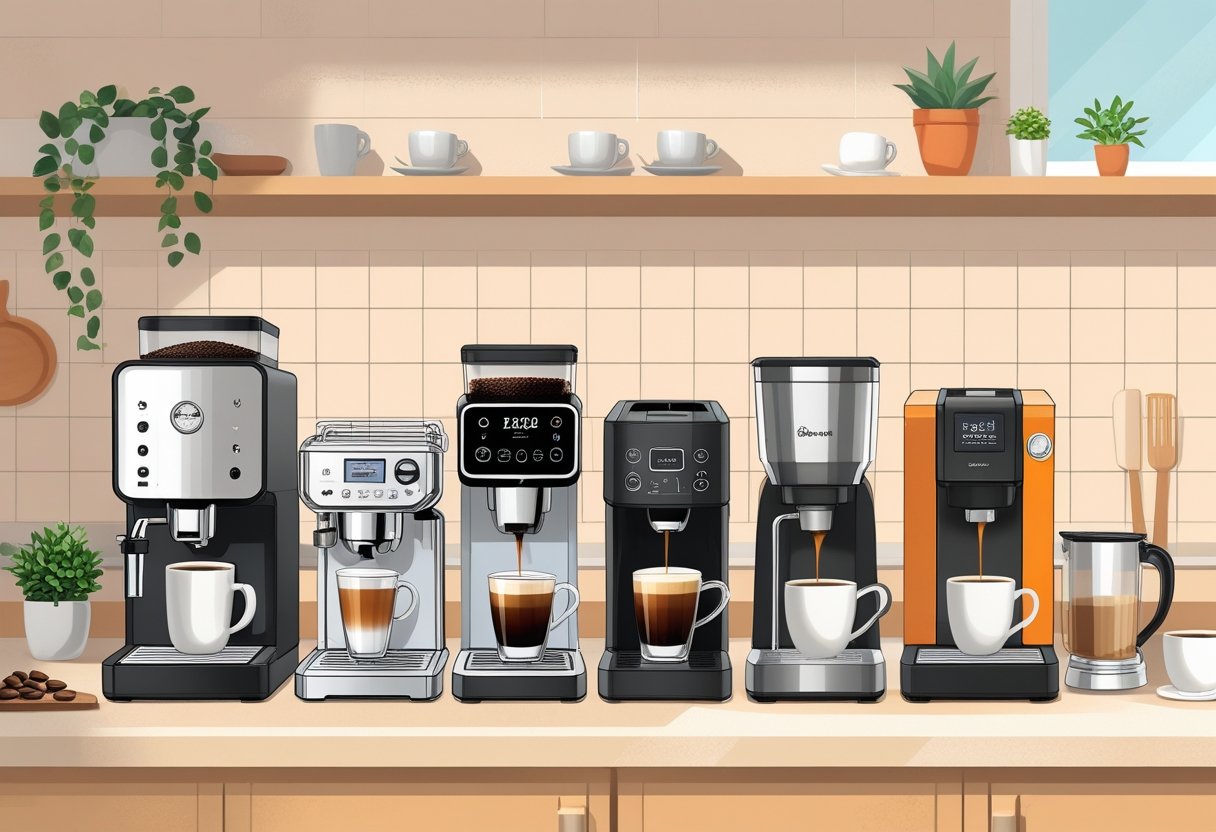
Espresso machines under £200 often vary by design, function, and ease of use. Buyers should consider how much control they want over the brewing process, the type of coffee grounds they prefer, and the convenience of maintenance. Different types suit different needs and offer distinct benefits within this budget.
Manual Espresso Machines
Manual espresso machines provide full control over the coffee-making process. They rely on the user to apply pressure to extract the espresso, typically through a lever. This hands-on approach appeals to enthusiasts who want to fine-tune shot strength and brewing time.
These machines require some skill and patience but usually cost less than semi-automatic models. They are compact and have fewer electronic parts, which can improve longevity. However, consistency depends heavily on user technique.
They generally include a portafilter for ground coffee and sometimes support ESE pods. Users must heat the water separately or rely on an integrated boiler, which affects preparation time and temperature stability.
Pod and Capsule Coffee Makers
Pod and capsule machines use pre-packaged coffee pods or capsules for quick and straightforward espresso preparation. They are popular for ease of use and minimal cleaning. Many models under £200 in the UK offer good performance for everyday coffee drinkers.
These machines have automated brewing cycles and usually include a milk frother for cappuccinos or lattes. Pods ensure consistent flavour but limit coffee variety to brand-specific capsules.
They are compact and suitable for small kitchens but generate ongoing pod costs. Capsule compatibility and pod availability affect long-term value and flavour options.
Filter and Bean-to-Cup Machines
Filter coffee machines in this price range primarily serve drip-style coffee and are less focused on espresso but may offer capable options for larger servings. They are straightforward with automatic brewing but lack espresso pressure systems.
Bean-to-cup machines grind whole beans automatically and brew coffee fresh. Under £200, these models are basic, often without customised settings or advanced frothing functions. They suit casual drinkers seeking fresh coffee with minimal input.
Maintenance involves regular cleaning of grinders and drip trays. These machines are larger and can deliver greater volume, but fully automated espresso performance is limited at this budget.
Essential Features and Accessories
Choosing an espresso machine under £200 requires close attention to specific features that influence both convenience and coffee quality. Important factors include milk frothing capabilities, compatibility with different coffee types, and the range of accessories supplied with the machine.
Milk Frothers and Steam Wands
Milk frothers and steam wands are key components for making lattes, cappuccinos, and other milk-based espresso drinks. Machines in this price range often offer either an automatic milk frother or a manual steam wand.
Automatic frothers provide consistent foam with minimal effort, ideal for users seeking convenience. Steam wands require more user skill but allow greater control over milk texture and temperature.
Not all models include frothing features. Those that do generally produce microfoam suitable for latte art and creamy drinks. The power of the steam wand, often linked to pressure output, affects frothing speed and quality.
Compatible Coffee Types: Beans, Pre-Ground and Pods
Espresso machines under £200 vary in the coffee inputs they accept. Some accommodate pre-ground coffee, giving access to a wide variety of blends and roasts but requiring a separate grinder for best freshness.
Other models support coffee pods, including ESE (Easy Serving Espresso) pods, which offer convenience and consistent dosing but less flexibility in coffee choice.
Few machines at this price point include built-in grinders for whole beans. Users seeking fresh ground coffee should consider pairing these machines with a budget grinder.
Included Accessories: Milk Jug, Tamper, Cleaning Tools
Accessories can greatly enhance the espresso experience. Many affordable machines include a milk jug, which is essential for steaming and frothing milk hygienically and safely.
A tamper is usually supplied to compress coffee grounds evenly in the portafilter, which is critical for proper extraction and consistent taste.
Basic cleaning tools, such as brushes or descaling agents, are sometimes included or recommended to preserve machine functionality. Regular maintenance ensures long-term performance, especially in budget-friendly models.
Performance and Brewing Experience
Espresso machines under £200 in the UK often balance functionality with affordability, focusing on consistent espresso quality and user-friendly features. They aim to meet the needs of home users who want reliable brewing performance without complex controls.
Espresso Shot Quality and Consistency
These espresso machines typically feature a 15 to 19-bar pressure pump, essential for extracting rich flavour and crema from finely ground coffee. Consistency depends largely on the pump’s stability and temperature control, which many models in this price range manage adequately.
Users can expect reasonably well-balanced shots, but results may vary without precise temperature calibration. Some machines include programmable shot volumes or pre-infusion settings to improve extraction. Ground coffee or pods can be used, depending on the model, allowing more control or convenience.
Milk Texturing for Lattes and Cappuccinos
Most affordable espresso makers include basic steam wands or milk frothers. While not as powerful as professional equipment, these tools produce sufficiently textured milk for lattes and cappuccinos. Users should allow extra time to create microfoam needed for latte art.
Some models offer adjustable steam pressure or automatic frothing modes, making it simpler to achieve creamy milk texture. However, manual skill still plays a role in milk quality, and the best results come from machines that offer temperature and froth control alongside consistent pressure.
Ease of Use and Cleaning
These espresso machines are designed with straightforward operation in mind. Features like one-touch brewing, automatic flow stop, and clear LCD displays simplify the process for beginners. Multiple cup size options and capsule compatibility further enhance convenience.
Cleaning routines are generally limited to regular descaling, emptying drip trays, and rinsing milk frothers. Removable parts allow easy access, though some machines require disassembly for thorough cleaning. Automatic shut-off functions and energy-saving modes add practical benefits for daily use.
Top-Rated Espresso Machines Under £200 in the UK
Espresso machines under £200 offer practical features for brewing quality coffee at home. They combine essential functions like strong pump pressure, milk frothing capabilities, and ease of use without excessive complexity or cost.
Best Overall All-Rounders
All-rounder espresso machines in this price range balance performance with usability. Many come with 15-20 bar pumps, which are key for extracting rich espresso with good crema. Models often include built-in milk frothers, making them suitable for cappuccinos and lattes.
These machines usually have intuitive controls, allowing beginners to create consistent coffee shots. Brands like Beko and KOTLIE provide robust options under £200 that deliver reliable temperature and pressure. They tend to be compact but still allow for adjustable settings, ensuring user control without demanding barista skills.
Top Picks for Small Kitchens
Space-saving is crucial for small kitchens or limited countertop areas. Espresso machines designed for this purpose are lightweight and slim, yet maintain core functions like strong espresso brewing and milk frothing.
Examples typically measure under 30cm in width, with simple one-touch buttons or rotary dials for operation. Their efficient design fits neatly without sacrificing performance. Many also offer easy water tank removal and drip tray cleaning, which appeals to users with limited kitchen space and time.
Highly Rated Entry-Level Models
Entry-level espresso machines focus on accessibility and value. They aim to provide basic espresso brewing features without steep learning curves or high price tags.
These machines almost always support both ground coffee and ESE pods, broadening user choice. Although simpler, they still often have manual steam wands or automatic frothers. Popular entry-level models earn praise for consistent espresso extraction and straightforward maintenance, making them ideal for beginners experimenting with home brewing.
Making the Most of Your Budget Espresso Machine
Achieving great espresso from machines under £200 requires attention to technique, regular upkeep, and creative use of available features. With some care, even entry-level espresso makers can deliver satisfying coffee and milk-based drinks at home.
Tips for Superior Home Brewing
Start by using fresh, finely ground coffee suitable for espresso machines. Too coarse or uneven grind will result in weak or bitter shots. Consistent tamping pressure around 15kg ensures even extraction.
Water temperature should hover between 90-96°C for optimal flavour. Many budget machines lack temperature control, so preheating the machine before brewing matters. Running a blank shot without coffee pre-warms the system.
Use filtered water to avoid scale build-up and improve taste. Brew smaller shots (25-30ml) slowly, aiming for a 25-30 second extraction time. Avoid rushing the process to maintain balanced acidity and richness.
Recommended Maintenance and Care
Descaling in line with manufacturer guidelines is vital for machine longevity and flavour preservation. Inexpensive machines often require descaling every 1-3 months depending on water hardness.
Clean the portafilter and basket after each use to prevent coffee oil residue build-up, which can affect taste. Wipe steam wands or milk frothers immediately to stop milk residue drying inside and clogging the system.
Replace water filters where applicable and use a dry cloth to clean the machine’s exterior. Regular deep cleans, including backflushing with cleaning tablets if supported, maintain performance and hygiene.
Creating Barista-Style Drinks on a Budget
Budget machines often include basic steam wands or manual milk frothers. Milk frothing technique is key: use cold milk, submerge the wand just below the surface to create microfoam, and warm milk to 60-65°C to avoid burning.
Experiment with simple latte art by pouring microfoam slowly into the espresso. Achieving clean pours takes practice but is possible even with entry-level machines.
To expand variety, ingredients like flavoured syrups or dusting cocoa powder add complexity without extra equipment. With practice on the milk frother and shot timing, a great café-style experience is achievable on a budget.
Frequently Asked Questions
Espresso machines under £200 in the UK offer a range of reliable options with useful features, balancing cost and performance. They vary in design, ease of use, and maintenance needs, with some models specifically suited to beginners.
What are the top-rated espresso machines available for under £200 in the UK?
Top models include the KOTLIE Espresso Coffee Machine CM5180-UK, known for its 20-bar pressure and automatic milk frother. Other popular choices feature strong pump systems and compatibility with ESE pods, increasing versatility.
Which features should I look for when choosing an espresso machine within a £200 budget?
A powerful pump system (around 15-20 bars) is vital for proper extraction. Automatic milk frothing and programmable settings add convenience. Compatibility with pods or ground coffee increases flexibility.
Can I get a quality espresso machine for under £200 that offers both durability and functionality?
Yes, certain machines combine sturdy build materials with practical features. However, durability varies across brands; models from reputable companies with positive reviews tend to perform better over time.
How do the espresso machines under £200 compare to more expensive models in terms of the quality of coffee produced?
Machines under £200 can produce good espresso, but they may lack precision temperature control and advanced pressure systems found in premium models. This can affect consistency and flavour depth.
What maintenance is required for espresso machines priced below £200 to ensure their longevity?
Regular descaling, cleaning the group head and steam wand, and timely replacement of water filters are essential. Frequent use requires more attention to prevent blockages and maintain pressure.
Are there any espresso machines under £200 that are particularly easy for beginners to use?
Models with one-touch operation, automatic flow-stop, and clear instructions are best for beginners. Machines offering programmable coffee sizes reduce trial and error during preparation.
Last Updated on 14 December 2025 by YEG