
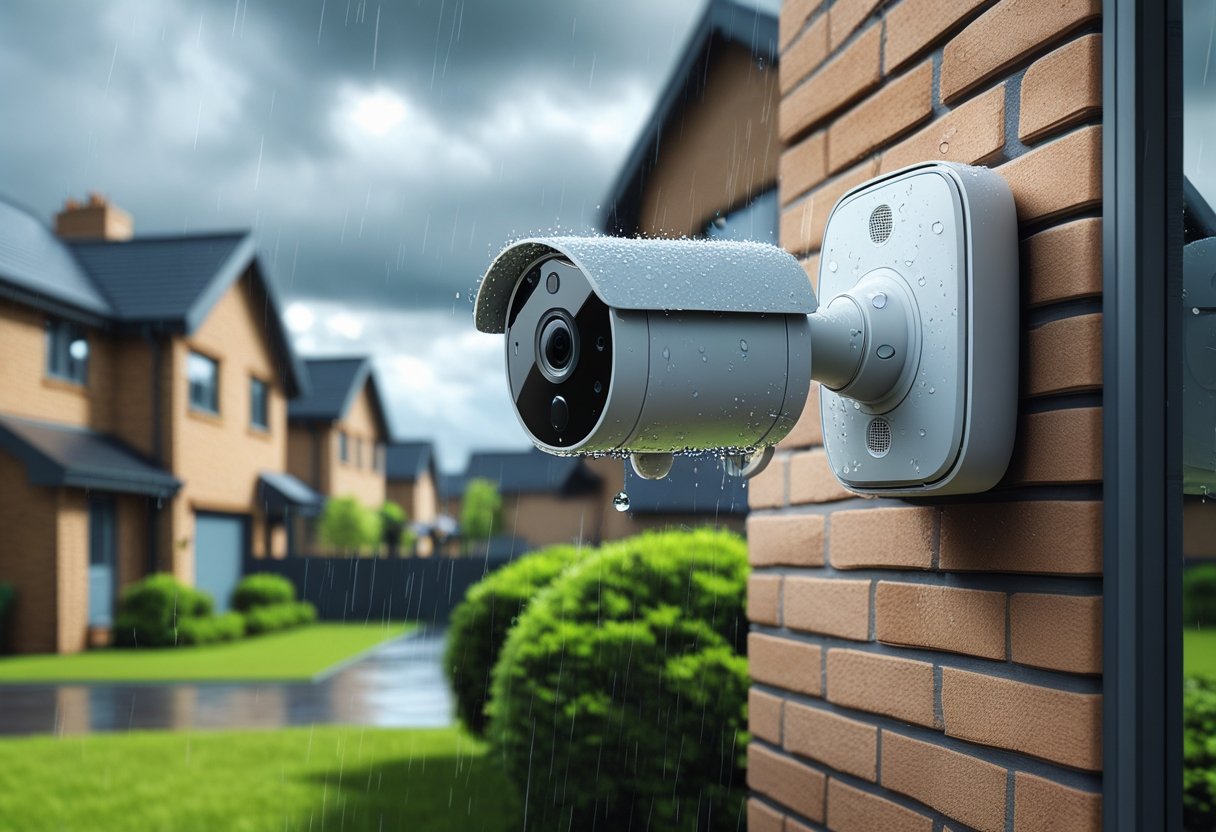
Choosing the right outdoor security camera for the UK means finding a device that can withstand rain, wind, and cold while still delivering reliable performance. The best outdoor security cameras in the UK are designed to be fully weatherproof, ensuring clear footage and dependable operation in all conditions. This makes them essential for protecting homes throughout the often unpredictable British weather.
Beyond durability, these cameras offer sharp image quality, accurate motion detection, and seamless smart home integration. Consumers should consider a model’s ease of use, connectivity options, and whether it requires a subscription. Understanding these factors helps buyers select the perfect camera for their needs and environment.
Key Takeways
- Weatherproof design is crucial for reliable outdoor security in the UK.
- Cameras should balance image clarity, detection features, and user-friendly controls.
- Compatibility with smart home systems enhances convenience and control.
Outdoor Security Cameras: UK Weatherproof Fundamentals
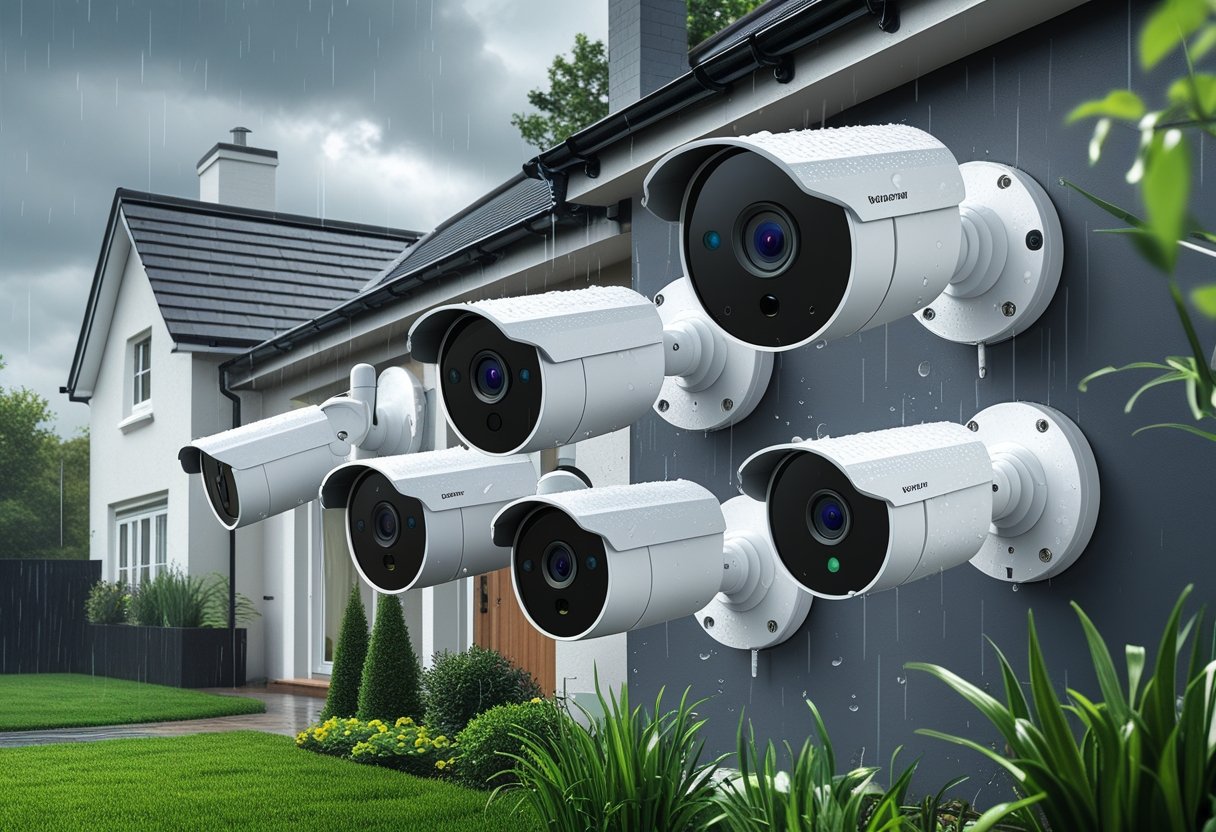
Selecting an outdoor security camera for UK conditions requires attention to durability, weather resistance, and maintenance. Cameras must withstand frequent rain, frost, and humidity common in the region without compromising performance or lifespan.
Weatherproof Ratings and Material Durability
Outdoor security cameras designed for UK weather typically carry an IP rating, indicating protection against dust and water ingress. A minimum of IP65 is advisable, ensuring strong resistance to heavy rainfall and dust.
Materials such as polycarbonate and aluminium are preferred for their robustness and corrosion resistance. Cameras with rubberised seals and reinforced casing further prevent moisture penetration during storms.
Consider UV resistance if a camera is exposed to sunlight for long periods. This extends the integrity of the casing and lens, preventing cracks and discolouration, which affect image clarity.
Performance in British Climate: Rain, Frost, and Humidity
The UK’s climate features frequent rain, occasional frost, and high humidity. Outdoor cameras must maintain clear video quality and reliable functionality under these conditions.
Night vision and infrared modes should perform consistently, even in damp or frosty weather. Some cameras include heating elements or anti-fog coatings for lens clarity during low temperatures.
Humidity can cause internal condensation. Cameras with ventilation systems or specialised coatings on sensors help reduce fogging and keep optics clear.
Wireless cameras must ensure connectivity despite moisture interference in signals, often achieved through dual-band Wi-Fi or mesh networking.
Maintenance and Longevity Factors
Regular maintenance preserves performance and extends the life of outdoor security cameras in the UK. Cleaning lenses of dirt, raindrops, and moss buildup is essential to avoid distorted footage.
Seals and joints should be inspected annually for cracks or wear that allow water ingress. Firmware updates can improve weather resilience and fix performance issues related to harsh conditions.
Battery-powered models require seasonal checks for power levels, especially in colder months when battery efficiency can drop. Wired systems can be more reliable long term but need protection against cable corrosion.
Proper installation, avoiding direct contact with ground water or overly exposed locations, reduces risk of damage and maintenance frequency.
Key Features for Outdoor Security Cameras
Outdoor security cameras must deliver reliable performance in varying British weather conditions while offering clear footage and smart functionality. Essential features include accurate motion detection, effective night vision, high-resolution video, and versatile storage options to ensure both security and ease of use.
Motion Detection and Smart Alerts
Motion detection is critical for outdoor cameras, allowing them to identify movement and trigger recording or alerts. Advanced cameras use AI-powered motion detection to reduce false alarms caused by animals, light shifts, or weather like rain and wind.
Smart alerts notify users instantly via mobile apps or email when motion is detected. Customisable activity zones help focus on important areas, avoiding unnecessary alerts from areas such as passing cars or trees. Reliable motion detection also supports integration with other smart home devices, such as alarms or lighting systems, to enhance security response.
Night Vision and Colour Night Vision
Night vision capability is necessary for 24/7 monitoring. Traditional infrared night vision produces black and white footage which is clear but lacks detail. Colour night vision, increasingly common, uses built-in LED lights or advanced sensors to deliver colour footage even in near-total darkness.
Colour night vision improves identification of intruders and objects. Cameras designed for British outdoor use often include automatic light adjustment and weather-resistant lenses to maintain clear vision despite fog, rain, or darkness. Night vision range varies, so selecting a camera that covers the typical garden or driveway size is important.
HD Video Quality and Field of View
High-definition (HD) video quality, at 1080p or above, ensures sharp, detailed images crucial for identification. Some cameras now offer 2K or 4K resolution for even greater clarity. The field of view (FoV) determines how much area the camera can cover without blind spots.
A wide FoV, between 120° and 360°, reduces the number of cameras needed. Pan-tilt-zoom (PTZ) models provide flexible viewing angles and zoom features to monitor larger properties. Weatherproof cameras suited for the UK often feature anti-glare coatings on lenses to improve clarity in bright or rainy conditions.
| Feature | Recommended Specification |
|---|---|
| Video Resolution | 1080p minimum; 2K/4K preferred |
| Field of View (FoV) | 120° to 360° |
| PTZ Capability | Optional but beneficial |
| Lens Coating | Anti-glare, weather-resistant |
Cloud Storage and Local Storage Options
Storage methods affect how video footage is saved and accessed. Cloud storage allows remote access to footage from any device but often requires a subscription. It offers automatic backups, reducing risk of data loss if the camera is damaged or stolen.
Local storage, via SD cards or Network Video Recorders (NVRs), provides instant access without ongoing fees but risks footage loss if the device fails or is tampered with. Many cameras offer a hybrid option, combining both for added security and convenience. When considering UK outdoor cameras, durability of storage media against damp conditions should be checked.
Top Outdoor Security Camera Models for UK Weather
These outdoor security cameras offer reliable weatherproofing, clear video quality, and smart features suited to the UK’s often damp and variable climate. They balance durability with ease of installation, along with modes for night vision and motion detection.
eufy SoloCam S340
The eufy SoloCam S340 provides 2K resolution video with HDR, ensuring sharp images even in challenging lighting. It features a weatherproof design with an IP67 rating, making it highly resistant to rain, dust, and cold conditions common in the UK.
Its AI-powered human detection reduces false alerts from animals or moving foliage. Battery life can last several months on a single charge, supporting wireless installation without frequent maintenance. The camera also includes two-way audio and local storage options, avoiding ongoing subscription fees.
Ring Outdoor Cam Plus
Ring Outdoor Cam Plus combines 1080p HD video with advanced motion sensors tailored for outdoor use. Its weather resistance includes protection against heavy rain and frost, suitable for the UK’s wetter seasons.
The device uploads footage to the cloud for easy access through the Ring app. It supports two-way talk and real-time notifications, enabling prompt responses to potential threats. Installation is straightforward, and it integrates well with other Ring and Alexa smart home products.
Reolink Atlas
The Reolink Atlas is notable for its pan-tilt-zoom (PTZ) capability, offering 360° coverage. It captures 4MP footage, delivering detailed images day and night, essential for comprehensive home monitoring in varying UK weather.
This camera is IP66 rated, ensuring durability in rain and wind. It supports both wired and PoE connections, giving users flexibility depending on their home setup. The Atlas includes AI person detection and can store footage locally or via Reolink’s cloud service.
Blink Outdoor 4
Blink Outdoor 4 excels in simplicity and reliability with wireless operation and a battery life rated up to two years. Its 1080p video quality covers clear visuals for a range of conditions, with IR night vision optimised for low light environments.
Weatherproofing includes an IP65 rating, sufficient to withstand the UK’s typical rain and humidity. The system integrates with Alexa and offers motion alerts without the need for a hub. Its lightweight design makes it easy to install and reposition.
Smart Home Integration and Ecosystem Compatibility
Choosing an outdoor security camera involves more than just picture quality and weatherproofing. The device’s ability to integrate with existing home security systems, support popular voice assistants, and fit the preferred wiring setup is essential for smooth operation and user convenience.
Compatibility with Home Security Systems
Many outdoor security cameras now support connection with broader home security systems. This compatibility allows cameras to work alongside alarms, sensors, and control hubs, providing centralised monitoring and management.
Cameras that follow universal standards such as Matter are increasingly compatible across platforms like Amazon Alexa, Apple HomeKit, Google Home, and Samsung SmartThings. This means a wireless security camera from one brand can often communicate effectively with other security devices, avoiding fragmentation.
Buyers should check if their preferred camera integrates with their existing system’s app and protocols. Lack of compatibility can limit functionality, such as triggering alarms on detected motion or synchronised recording across multiple devices.
Voice Assistant and App Support
Voice control and app management are now standard features for smart outdoor cameras. Leading cameras support Alexa, Google Assistant, and Siri, allowing users to check camera feeds or arm systems without manual input.
App support should be intuitive and responsive. Well-designed apps provide motion alerts, live viewing, two-way audio, and easy settings adjustment from any location. Some cameras also offer subscription-free usage, avoiding ongoing costs.
It is crucial to confirm whether the camera’s app and voice assistants work seamlessly together. Hardware that can respond to voice commands and integrate alerts into smart speaker routines simplifies day-to-day security management.
Wireless Versus Wired Setups
Outdoor security cameras come in wireless and wired versions, each with pros and cons. Wireless security cameras offer flexible installation without the need for power cables or network wiring. Many wireless models include solar charging options, especially useful in variable British weather.
Wired setups provide a stable power source and often a more reliable connection, reducing concerns about Wi-Fi interference or battery life. However, installation is more complex and may require professional help.
Users should consider their property layout, power accessibility, and preference for ease of installation versus connection stability when choosing between wired and wireless cameras.
Buying Guide: Choosing the Best Weatherproof Outdoor Security Camera
Selecting the right outdoor security camera involves understanding the property’s specific surveillance needs, considering the cost structure, and ensuring proper installation. Key factors include the camera’s weatherproof rating, price versus subscription options, and placement to maximise coverage and durability.
Assessing Property and Coverage Needs
He or she should start by evaluating the areas around the property that require monitoring. Important zones include entrances, driveways, gardens, and any blind spots. Cameras with wide-angle lenses or pan-tilt-zoom (PTZ) features offer flexible coverage for larger spaces.
The outdoor security camera must have a robust weatherproof rating, typically IP65 or higher, to withstand the UK’s rain, wind, and occasional snow. Night vision clarity and motion detection sensitivity are essential to capture clear footage under low-light conditions.
It’s advisable to consider cameras with built-in lighting or sirens to deter intruders. Wired or wireless options depend on access to power and internet reliability, affecting the choice and placement of units.
Comparing Price and Subscription Models
Price ranges for outdoor security cameras vary widely, typically from £50 to £300 or more per unit. One-off purchases often come with free local storage via SD cards, while cloud-based subscriptions add ongoing costs but provide off-site backup and easier access.
He or she should assess subscription benefits such as video history length, advanced AI detection, and multiple user access. Some brands, like Ring or Arlo, have tiered plans offering different storage durations and features.
Always check for hidden fees and whether the service automatically renews. For those on a budget, cameras with local storage and no mandatory subscription may be preferable.
Installation Tips and Best Practices
Positioning cameras to avoid direct exposure to harsh sunlight or extreme weather is crucial. Under eaves or using protective covers can extend device life while maintaining clear sightlines.
Installation height should prevent tampering but still allow useful identification of visitors. Typically, mounting cameras between 2 and 3 metres offers balance.
Strong Wi-Fi or wired connections reduce lag and recording issues. For wireless models, test signal strength before fixing the camera.
Regular maintenance, including cleaning lenses and checking seals, helps sustain performance in the variable British climate.
Expert Reviews and Trusted UK Sources
Outdoor security cameras are assessed extensively by independent UK-based experts and technology reviewers to ensure they meet the specific demands of British weather and home security needs. Their evaluations focus on durability, image quality, and ease of use under typical UK conditions.
Insights from TechRadar and Industry Experts
TechRadar highlights cameras that combine robust weatherproofing with advanced features such as AI motion detection and night vision. They emphasise models with IP65 or higher ratings, ensuring protection against rain and dust common across the UK.
Experts recommend cameras with 4K resolution for clear footage and adaptable mounting options to cover challenging angles on British properties. Brands like Ring, Google Nest, and Eufy frequently receive positive remarks for balancing functionality and value in the fluctuating UK climate.
They also stress the importance of localised support and firmware updates, which enhance camera resilience and security over time.
Hands-On Testing and Reliability
Trusted UK sources conduct real-world tests, exposing cameras to rain, frost, and wind to confirm weather resistance. These tests examine not only waterproof design but also components like microphones and lenses that must remain functional in moist or cold environments.
Reliability is measured through continuous recording capabilities, connectivity in suburban and rural settings, and resistance to false alarms triggered by wildlife or weather elements.
Practical features such as easy installation, mobile app performance, and subscription-free options frequently factor into rankings, giving consumers a clear view of long-term usability in the UK’s demanding outdoor conditions.
Frequently Asked Questions
Outdoor security cameras for the UK must balance durability and functionality. Weatherproofing, high-quality imaging, wireless reliability, and smart home compatibility are key factors in selecting an effective device.
What are the top-rated outdoor security cameras for durability in the UK climate?
Top models from brands like Ring, Eufy, and Google Nest are known for their robust construction. These cameras are tested to withstand rain, wind, and temperature fluctuations typical in the UK.
Which features should I look for in a weatherproof security camera for British weather?
Look for IP65 rating or higher to ensure water and dust resistance. Cameras with infrared night vision and temperature tolerance down to -20°C provide reliable performance year-round.
Can you recommend any outdoor security cameras that offer both high-quality footage and resilience to the UK’s varied weather conditions?
The EufyCam 3 and Google Nest Cam IQ Outdoor offer clear 2K or 4K resolution with sturdy, weatherproof casings. Both maintain image quality regardless of heavy rain or fog.
What are the best options for wireless outdoor security cameras that can withstand heavy rain and wind?
Wireless cameras like Arlo Pro 4 and Swann Secure+ are designed with strong weatherproofing and stable wireless connections. They hold up well during storms and high winds.
How do I ensure my outdoor security camera remains operational during extreme UK winter conditions?
Choosing a camera with built-in frost resistance and a heating element helps prevent lens fogging and freezing. Positioning cameras under eaves or sheltered areas also protects them from harsh weather exposure.
Are there any outdoor security cameras specifically designed for the British weather that also integrate well with smart home systems?
Devices such as the Ring Stick Up Cam Elite and Google Nest Cam work seamlessly with Alexa, Google Assistant, or Apple HomeKit. Their durable design suits UK conditions while allowing smooth smart home integration.
Last Updated on 1 December 2025 by YEG