
Finding the best espresso machine under £300 in the UK doesn’t mean compromising on quality or flavour. Numerous models on the market deliver excellent espresso with strong performance and user-friendly features, all within a budget-friendly price range. Whether they prefer capsule, semi-automatic, or bean-to-cup machines, buyers can enjoy café-quality coffee at home without overspending.
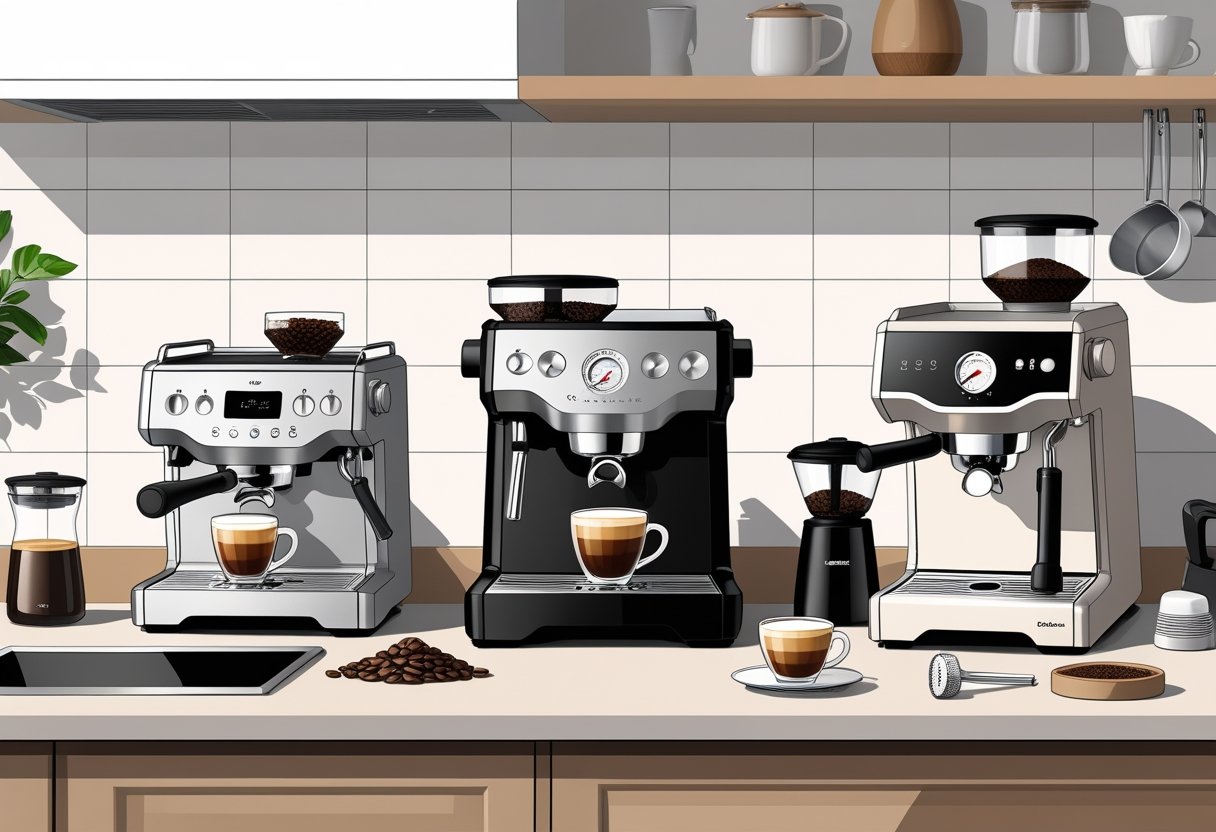
Choosing the right machine depends on key features such as ease of use, maintenance, and the ability to customise drinks. Many affordable options now include advanced functionalities once found only in higher-end machines, making it easier for enthusiasts to brew consistently good coffee. This guide helps to identify the best options available in 2025, informed by expert reviews and consumer feedback.
Key Takeaways
- Budget espresso machines under £300 in the UK offer strong value and solid performance.
- Important considerations include machine type, customisation options, and ease of maintenance.
- Reliable brands provide diverse models suited to different preferences and kitchens.
Top Picks: Best Espresso Machines Under £300 in the UK for 2025
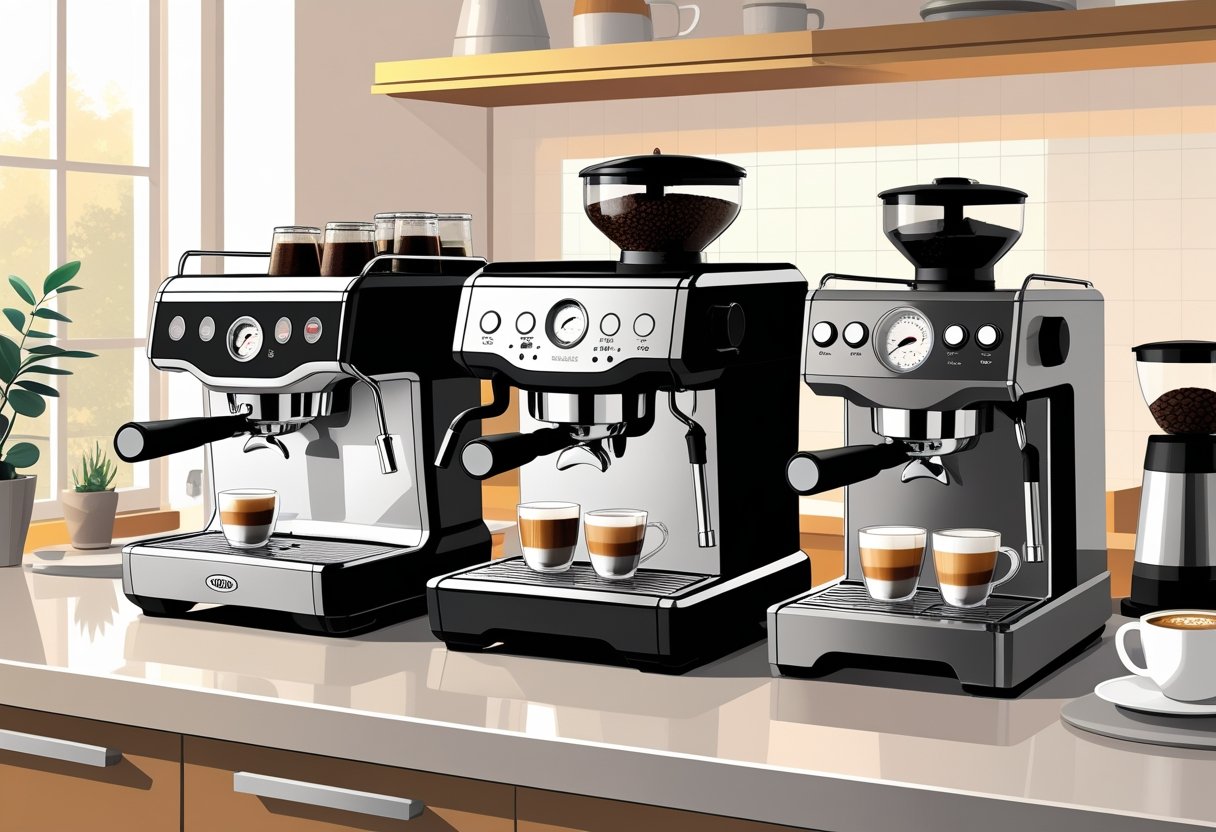
Finding a reliable espresso machine under £300 involves balancing build quality, ease of use, and extraction consistency. This selection highlights models that meet these requirements, offering compact designs and strong performance to fit various budgets and kitchen styles.
Editor’s Choice and Standout Models
The Sage Bambino Plus stands out for its fast heat-up time and automatic milk frothing, ideal for those wanting convenience without sacrificing coffee quality. It is compact, making it well-suited for smaller kitchens.
The Gaggia Classic Pro remains a favourite for users preferring manual control and durability. Its solid build and commercial-style components deliver a consistently rich espresso, despite a slightly steeper learning curve.
For those interested in built-in grinders, the Sage Barista Express is close to this price range when discounted. It offers semi-automatic controls and an integrated grinder, combining convenience with customisation.
Notable Features and Specifications
The Sage Bambino Plus heats to the optimal espresso temperature in 3 seconds and includes a precise steam wand with automatic milk texture adjustment. It features a 54mm portafilter and digital temperature control for shot consistency.
The Gaggia Classic Pro is equipped with a commercial-style 58mm portafilter and a straightforward steam wand. It relies on manual frothing and has a stainless-steel housing, providing reliability and longevity.
Meanwhile, the Sage Barista Express integrates a conical burr grinder with dose control, helping users grind fresh beans per shot. It has adjustable grind settings, a pressure gauge, and a large water tank, making it user-friendly for newcomers and enthusiasts alike.
Comparison Table of Key Machines
| Model | Price (approx.) | Portafilter Size | Grinder | Heat-up Time | Milk Frothing | Size |
|---|---|---|---|---|---|---|
| Sage Bambino Plus | £299 | 54mm | No | 3 seconds | Automatic steam wand | Compact |
| Gaggia Classic Pro | £280 | 58mm | No | Moderate | Manual steam wand | Medium |
| Sage Barista Express | £300+ (discount) | 54mm | Conical burr | ~ 1 min | Manual steam wand | Medium |
Each machine targets slightly different user needs: quick espresso with ease, durable manual control, or semi-automated grinding. All represent top choices for espresso machines under £300 in the UK.
Types of Espresso Machines for Home Use
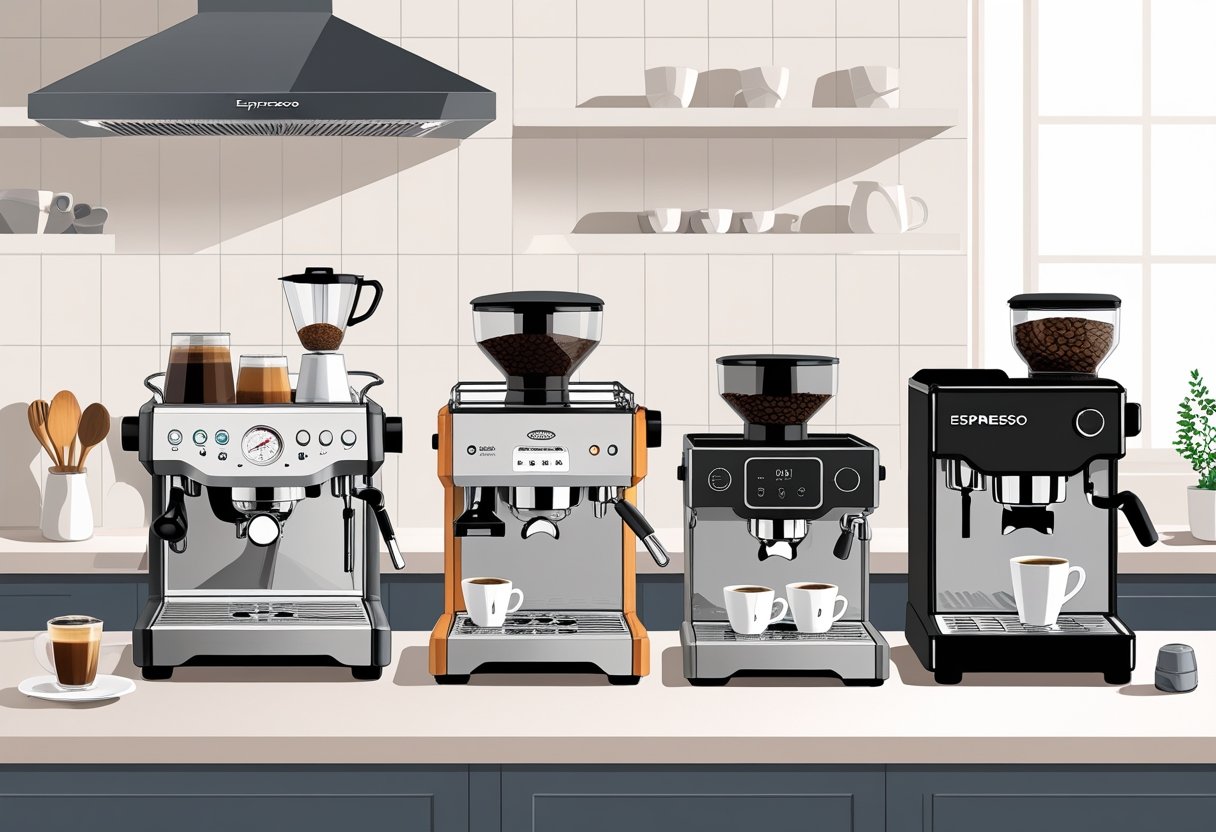
Espresso machines for home vary significantly in design, operation, and price. Some models emphasise manual control and traditional brewing techniques, while others focus on convenience and automation. Options include both beginner-friendly and more advanced machines, catering to different skill levels and preferences.
Traditional Espresso Machines
Traditional espresso machines use ground coffee and rely on a pump to force hot water through the grounds at high pressure. They are prized for their ability to deliver the classic espresso experience found in coffee shops. These machines often include a portafilter, a steam wand for frothing milk, and straightforward controls.
They suit users who want hands-on involvement and the chance to learn espresso-making skills. Durability and control over the brewing process are key features. While some traditional models can exceed £300, there are options available within budget that still offer satisfying espresso quality at home.
Manual and Semi-Automatic Models
Manual and semi-automatic espresso machines require the user to control the pressure and timing of the extraction manually or with limited automation. Manual machines grant full control over every aspect but need skill and patience, making them ideal for enthusiasts.
Semi-automatic machines automate water pressure but still require the user to start and stop the flow. This balance appeals to those who want involvement without complete manual effort. Both types generally use ground coffee and feature steam wands for milk preparation.
These models can range from affordable to mid-range prices, with some high-end manual machines costing much more. Under £300, semi-automatic machines tend to be the more viable option.
Bean-to-Cup and Automatic Options
Bean-to-cup and fully automatic espresso machines grind beans fresh for each shot, automate brewing, and handle milk frothing in many cases. This provides convenience and consistency, reducing the skill and time needed at the machine.
These machines are best suited for users prioritising ease of use and speed. Many models include programmable settings and self-cleaning functions. However, prices for bean-to-cup and automatic espresso machines typically start above the £300 range but some entry-level versions approach this budget.
Despite being more expensive on average, beginner-friendly models are increasingly available for those on a budget who want a smoother, hands-off experience at home.
Budget and Entry-Level Machines
Budget espresso machines under £300 focus on affordability while offering essential espresso brewing functions. These models often lean towards semi-automatic or traditional types with simpler features.
They usually have basic build quality and fewer advanced controls but can still produce good espresso for everyday use. Typical trade-offs include less precise temperature control and manual milk frothing without advanced steam systems.
For buyers wanting the best budget espresso machine, priorities include ease of cleaning, consistent pressure, and durability within price limits. Many UK brands provide compact designs suited to smaller kitchens, ideal for beginners or casual users seeking a solid home espresso option without extensive bells and whistles.
Essential Features to Consider When Buying
Selecting an espresso machine under £300 requires attention to specific technical and functional details. These features influence the quality of the espresso shot and the ease of use. Understanding each element helps buyers find a machine suited to their experience and coffee preferences.
Portafilter and Basket Types
The portafilter is a critical component, holding the coffee grounds during extraction. Most machines in this price range use a 58mm or 51mm portafilter size, with 58mm being more common in higher-end models for better consistency.
A bottomless portafilter is ideal for those who want to monitor the espresso flow and reduce channeling, which affects taste quality. However, it requires skill to avoid mess.
Different basket types—single, double, or pressurised—impact flavour and crema quality. Pressurised baskets help novices by compensating for grind inconsistencies but limit control over extraction.
Bar Pressure and Pump Quality
Bar pressure is central to espresso extraction. Machines typically operate at 9 bar pressure, which is considered optimal for proper coffee extraction.
Quality pumps ensure consistent pressure throughout the shot. Machines with stable pumps often feature pre-infusion, gently saturating coffee grounds before full pressure applies. This improves flavour balance and reduces bitterness.
Poor pump quality results in uneven pressure, causing weak or over-extracted espresso. When buying, priority should be given to machines advertising adjustable pressure or reliable pump brands.
Steam Wand Capabilities
The steam wand allows milk frothing for drinks like lattes and cappuccinos. There are two common types: manual steam wands and Panarello steam wands.
Manual wands require more practice but offer superior control over steam pressure and microfoam texture. Panarello wands are easier for beginners but produce less consistent froth quality.
Look for machines with full swivel steam wands for better manoeuvrability. The ability to create velvety microfoam is crucial for latte art and texture.
Heating Systems and Temperature Control
Temperature stability is vital for consistent espresso shots. Machines under £300 usually have single or thermoblock heating systems.
A thermoblock system heats water on demand, providing quick startup and temperature accuracy but can fluctuate during prolonged use.
Single boiler machines maintain water temperature steadily, beneficial for simultaneous steaming and brewing, although they may take longer to heat.
Reliable temperature control, preferably with adjustable settings, prevents burnt or under-extracted espresso. Some entry-level models lack electronic temperature control, which affects shot quality.
How to Choose the Right Espresso Machine for Your Kitchen
Selecting an espresso machine involves practical considerations that affect daily use and kitchen harmony. The size of the appliance, its ease of operation and maintenance, as well as the materials and style, all contribute to how well it fits the kitchen environment and lifestyle.
Assessing Kitchen Space and Appliance Size
Kitchen space is often limited, especially in UK homes. A compact espresso machine can be ideal for smaller countertops, offering the ability to brew coffee without taking up excessive room. Measuring available space beforehand helps avoid awkward placements or clutter.
Larger, more expensive espresso machines may have additional features but can overwhelm small kitchens physically and visually. Conversely, smaller machines may lack some functions but provide efficient use of space. It is important to balance machine capacity with daily coffee needs.
Consider also the clearance above the machine and proximity to power outlets. Portable models with removable parts can be easier to store when not in use. Assessing the physical footprint early ensures the machine integrates neatly with other kitchen appliances.
Ease of Use and Cleaning
An espresso machine’s usability directly impacts the user experience. Features like simple control panels and clear instructions help beginners produce consistent coffee without frustration. Automatic or semi-automatic pumps can make brewing straightforward.
Cleaning routines vary. Machines with removable water tanks, drip trays, and portafilters simplify daily maintenance. Models with self-cleaning functions reduce the time and effort involved but may come at a higher price.
For those new to espresso machines, fewer buttons and intuitive designs are preferable. Regular cleaning prevents buildup that affects taste and machine durability, so easy access to parts is essential. Machines requiring complex disassembly are less suitable for casual users.
Design and Build Quality
The design should complement the kitchen aesthetic while providing durability. Stainless steel construction is common in mid-range and expensive espresso machines due to its resistance to wear and ease of cleaning. Plastics can reduce costs but may lack long-term resilience.
A well-built machine feels sturdy and operates with minimal noise and vibration. Quality materials in key components, such as the portafilter and boiler, influence the machine’s performance and lifespan.
Visual style ranges from minimalist, modern units to more classic or retro designs. The choice depends on personal preference but also on how the machine fits with other kitchen appliances. Durable finishes resist stains and scratches, preserving appearance over time.
Recommended Brands and Model Comparisons
Many reliable brands offer espresso machines under £300 that balance quality and affordability. Buyers should focus on brand reputation, machine features, and how models compare in terms of ease of use, durability, and brewing options.
Trusted Espresso Machine Brands in the UK
De’Longhi, Sage, and Breville are among the most trusted brands within this price range. De’Longhi is known for consistent performance and user-friendly design. Sage, a UK favourite, often includes digital precision and durability, with models like the Sage Smart Grinder Pro complementing their espresso machines well.
Breville offers solid starter machines with good build quality and simple controls. These brands provide reliable customer support and spare parts availability, which matter when investing in a home barista setup.
Key Differences Between Models Under £300
Machines under £300 vary primarily in pressure, boiler type, and programmability. Some use pump pressure systems that approach commercial standards (around 15 bars), while others rely on steam pressure, which limits extraction quality.
Boiler material impacts heat stability; stainless steel boilers retain temperature better than aluminium. Programmable machines allow shot timing and temperature control, improving consistency. Manual models require more skill but offer greater control.
Models with built-in grinders or compatibility with devices like the Sage Smart Grinder Pro streamline the process, making espresso more accessible for beginners.
Accessories to Enhance Your Home Barista Setup
A good grinder, such as the Sage Smart Grinder Pro, is essential for achieving the right grind size and uniformity. Freshly ground coffee greatly improves extraction and flavour.
Other useful accessories include a stainless steel steaming pitcher for milk frothing and a digital tamper for consistent pressure application. A knock box makes spent puck disposal cleaner and more efficient.
Thermometers and cleaning kits also help maintain temperature accuracy and routine machine care, extending lifespan and performance quality.
Value, Maintenance, and Longevity
Choosing a budget espresso machine requires understanding the trade-offs between cost, build quality, and durability. Maintaining the machine properly ensures consistent performance and prolongs its lifespan, making the investment worthwhile over time.
Balancing Quality and Price
Espresso machines under £300 often deliver good value but come with compromises in materials and features compared to more expensive models. Many budget options use plastic components rather than metal, which can affect durability and heat stability.
Users should prioritise machines with a robust pump system and reliable pressure control, even at lower price points. Features like a detachable water tank and easy-to-clean portafilter add practical value without significant cost increases.
While high-end machines may offer more precise temperature control and longer warranties, budget models that maintain essential functions can still produce quality espresso with proper technique. Checking reviews for reliability over time is advised before purchase.
Maintenance Tips for Long-Term Performance
Regular cleaning is essential to prevent blockages and maintain taste. Users should backflush machines weekly if equipped or run water cycles and clean the portafilter after each use.
Descaling every 2-3 months, depending on water hardness, protects internal components from lime scale, which is a common cause of machine failure. Using a descaling solution recommended by the manufacturer achieves the best results.
Replacing worn seals and gaskets promptly keeps pressure levels consistent. Budget espresso machines may require more frequent part replacements than expensive models, so checking availability and cost of spares is important.
Storing the machine with empty water reservoirs and dry portafilters prevents mould growth, ensuring hygiene alongside mechanical maintenance.
Frequently Asked Questions
Espresso machines under £300 balance functionality and cost, focusing on essential features and reliable performance. Maintenance, brand reputation, and warranty coverage vary, affecting long-term satisfaction and usability. The espresso quality differs between budget and premium models, with some newer releases showing promise even at lower prices.
What are the top features to consider when buying an espresso machine under £300?
Look for consistent temperature control and pressure, ideally 15 bar or higher, to ensure proper extraction. Adjustable settings for shot size and milk frothing capability improve versatility. Compact size and ease of cleaning are practical benefits for home use.
Can you recommend some reliable espresso machine brands within the £300 price range?
De’Longhi, Breville, and Mr. Coffee offer reputable machines that perform well in this budget. These brands balance build quality and user-friendly features. Models like the De’Longhi Magnifica S are common favourites.
What type of maintenance should be expected with espresso machines under £300?
Regular descaling to remove limescale is essential, especially in hard water areas. Cleaning removable parts like the portafilter and milk frother after each use prevents build-up. Some models may require filter replacement periodically.
How does the quality of espresso compare between budget machines and higher-end models?
Budget machines generally provide decent espresso with good crema but may have less precise temperature and pressure control. Higher-end models tend to deliver more consistent extraction and better steam performance, improving milk texture and flavour complexity.
What warranty options are typically available for espresso machines in this price bracket?
Most machines offer a one- to two-year manufacturer’s warranty covering faults and defects. Extended warranty or protection plans may be available through retailers or third parties but are not always included.
Are there any new or upcoming espresso machine models under £300 that are worth waiting for?
Some upcoming models focus on compact design with smart features like app control and enhanced temperature stability. While specific releases vary, brands continue to improve entry-level machines with better pressure systems and milk frothing technology.
Last Updated on 8 December 2025 by YEG