
Improving air quality and controlling damp in older homes is a common challenge for many UK homeowners. Older properties often have less effective ventilation systems, which can lead to stale air, excess moisture, and unhealthy indoor environments. DIY ventilation solutions provide practical ways to enhance airflow, reduce damp, and improve overall comfort without extensive renovation.
Older homes typically rely on natural ventilation through windows and vents but may lack modern extraction fans or mechanical ventilation. This makes it important to identify areas where airflow is restricted. Simple improvements, such as upgrading trickle vents or installing extractor fans in key rooms, can make a significant difference to air quality and damp control.
When choosing DIY ventilation options, we focus on factors like compatibility with existing structures, ease of installation, and the specific ventilation needs of the property. Materials that resist corrosion and damp, as well as devices that balance airflow without causing heat loss, are especially critical. We tested various approaches to find the most effective, straightforward methods for improving ventilation in older UK homes.
Best DIY Ventilation Products for Older Homes
We’ve carefully selected the most effective products to help improve air quality and manage damp in older UK homes. Our list focuses on practical solutions that are straightforward to install and maintain for better ventilation.
VENTS Wall Intake Vent

This vent kit is a practical solution for improving air quality and reducing dampness in older UK homes without adding noise or heat loss.
Pros
- Efficient air circulation without needing to open windows
- Built-in particulate filter limits dust and pollen entry
- Adjustable channels allow a good fit in various wall thicknesses
Cons
- The vent opening mechanism can feel stiff and awkward
- Installation requires patience, especially with tight spaces
- Slightly higher cost compared to basic wall vents
We found the VENTS vent kit offers steady, controlled ventilation that really helps manage moisture buildup, particularly in older properties prone to damp. It’s reassuring to keep windows sealed while still circulating fresh air effectively.
The design manages airflow quietly at 41 decibels, which is low enough to avoid disturbing daily life or work. The inclusion of an insect screen and filter provides extra protection against common outdoor irritants like pollen and dust.
Installing the vent took longer than expected due to the adjustment needed for the telescopic duct, but once in place, the system delivered consistent airflow that reduced condensation and related mould risk. Overall, it’s a reliable choice for DIY ventilation upgrades.
VENTS UK Inline Bathroom Extractor Fan
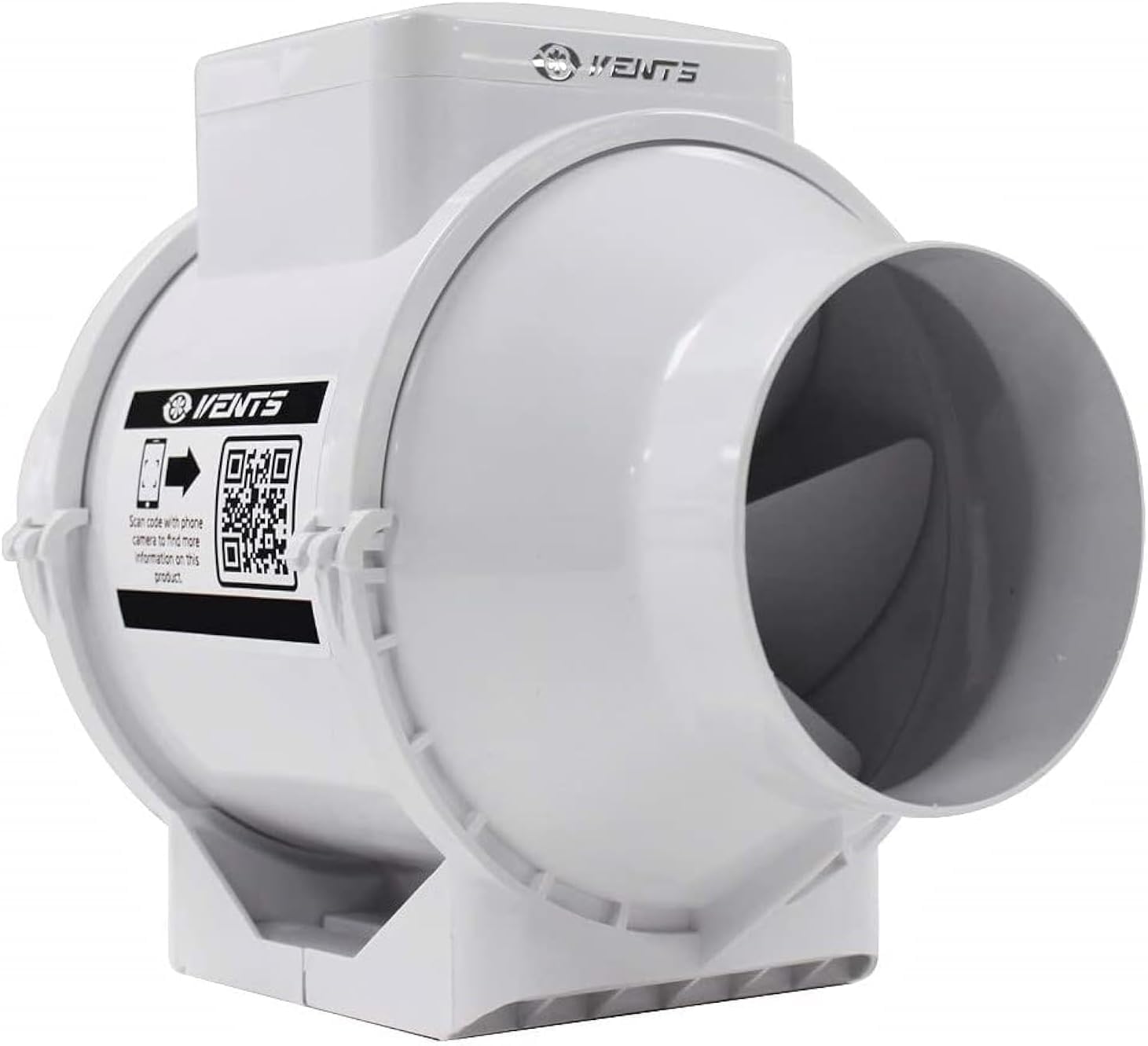
This inline fan offers reliable ventilation with quiet operation, making it a solid choice for damp control in bathrooms and smaller spaces.
Pros
- Quiet operation with a noise level of just 27 decibels
- Versatile mounting options, including lofts and cupboards
- Durable motor with thermal protection and long service life
Cons
- Some models lack two-speed operation
- Installation can be tricky without electrical experience
- Run-on timer feature may not work as expected for all
We found the VENTS UK fan to perform well in removing moisture efficiently, especially in bathrooms where damp build-up can be an issue. Its quiet running made it unobtrusive, and the ability to mount it remotely brought flexibility to our setup.
The construction is robust, using quality plastic with a well-designed casing that feels built to last. The motor’s thermal protection gives added peace of mind during continuous use, which is ideal for rooms with higher humidity levels.
While the fitting process is straightforward for those comfortable with DIY electrical work, it might require professional help for others. Overall, this fan is a practical solution for improving air quality and controlling dampness in older UK homes.
Dryzone Telescopic Passive Wall Intake Vent Kit
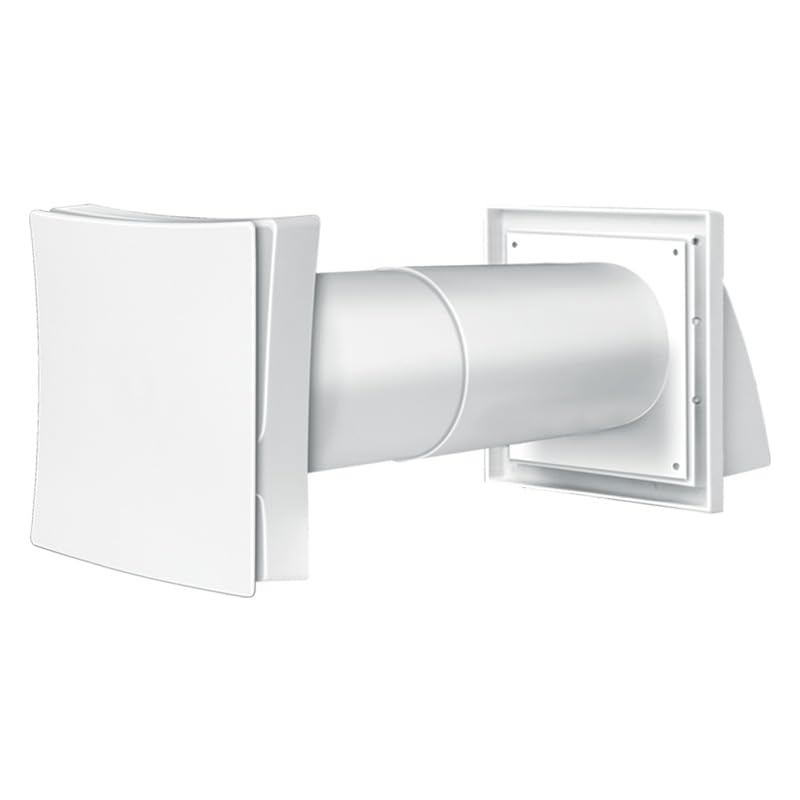
This vent kit is a solid choice for anyone looking to improve air quality and reduce mould in older homes with minimal fuss.
Pros
- Adjustable airflow control lets us fine-tune ventilation
- Easy installation with no wiring required
- Quiet operation with reliable, constant background ventilation
Cons
- Installation needs a core drill, which might require extra tools
- Limited to external walls near ceilings only
- Airflow is modest, so it’s better for background ventilation, not rapid airing
We installed the Dryzone vent during a damp control project and appreciated how clean and discreet it looks on the wall. The telescopic duct made fitting across thick walls straightforward, saving us time.
Adjusting the iris shutter allowed us to control the air intake without feeling a cold draught in winter, which is often a problem in older UK homes. The always-on, passive airflow improved indoor air quality by cutting down humidity and mould issues.
Overall, this vent offered a low-maintenance solution that doesn’t rely on electricity or noisy fans. It’s ideal for anyone wanting a quiet, energy-free way to keep air moving in tricky spaces.
Nuaire Drimaster DRI-ECO-HC Condensation Ventilation Loft Unit

This loft ventilation unit offers effective whole-home air circulation with simple control from the ceiling diffuser, ideal for tackling damp and condensation in older UK homes.
Pros
- Easy to control without needing to enter the loft
- Provides consistent fresh filtered air using Positive Input Ventilation (PIV)
- Clear display reminds when to change the filter
Cons
- Installation requires hardwiring, not wireless or battery powered
- No built-in heater to assist in colder months
- Cannot connect to additional controllers or sensors
The Nuaire Drimaster DRI-ECO-HC is designed to introduce fresh air steadily, reducing damp and improving air quality by pushing moisture-laden air outside. We found the ceiling diffuser intuitive; adjusting settings without climbing into the loft is a major convenience.
Its modern look fits well in hallways or rooms where the unit is mounted, blending practicality with aesthetics. The 7-segment display is helpful, keeping us updated on filter status and operational mode, which avoids unexpected maintenance issues.
However, setting it up requires professional hardwiring, something to consider if you prefer a plug-and-play solution. Since this model does not include heating, it may not fully prevent cold damp in very chilly homes. Overall, it’s a solid option if you want reliable ventilation without complex controls.
VENTS Nazair 100 mm Extractor Fan

This extractor fan is a solid choice for managing moisture in older homes, combining efficiency with modern features like a humidity sensor.
Pros
- Quiet operation at low decibel levels
- Easy to install as a wall or ceiling unit
- Moisture sensor helps control dampness automatically
Cons
- Noise levels can be higher than advertised in some cases
- Power consumption of 120 watts feels a bit high
- The plastic build feels lightweight, less durable than metal alternatives
We found the VENTS Nazair fan noticeably quieter than many older fans we’ve replaced, which makes it more suitable for frequent bathroom use. The humidity sensor is a real bonus, activating ventilation only when needed and helping reduce energy wastage.
Installation was straightforward. It fits standard 100 mm ducting, which is common in UK homes, and mounting on the ceiling or wall was hassle-free. The compact size helps it blend unobtrusively into smaller bathrooms.
While the fan claims a noise level of 25dB, in practical use it can be louder depending on your bathroom layout. Still, it effectively reduces damp conditions, which was the main priority for us. Overall, it’s a dependable unit for improved air quality in older properties.
Buying Guide
When choosing ventilation solutions for older homes, we first consider the specific needs of the property. Older buildings often have limited airflow and risk of damp, so selecting products that improve air movement and reduce moisture is crucial.
We look for ease of installation since many ventilation upgrades in older homes are DIY projects. Products that come with clear instructions and require minimal structural changes are preferred.
Key features to prioritise include:
| Feature | Why It Matters |
|---|---|
| Airflow Capacity | Ensures sufficient ventilation rate |
| Noise Levels | Keeps environment quiet and comfortable |
| Energy Efficiency | Saves on heating costs and reduces waste |
| Moisture Control | Essential for preventing damp and mould |
We also check for compatibility with existing structures, like wall or window vents that fit original frames. Adjustable settings help adapt ventilation to seasonal changes and user preferences.
Durability is important; products must withstand UK weather conditions and require minimal maintenance over time. Materials like treated metal or robust plastic often offer a balance between longevity and cost.
Lastly, we consider budget without compromising essential features. Affordable solutions that focus on functionality and air quality balance performance and cost effectively.
Frequently Asked Questions
We focus on identifying common ventilation problems in older homes and practical solutions tailored to period properties. Our approach includes low-impact methods for bedrooms, options for windowless rooms, and best practices for maintaining airflow while managing dampness.
What are the signs of inadequate ventilation in an older property?
Persistent condensation on windows and walls is a clear indicator.
You may also notice musty odours, mould growth, or a damp smell in corners and cupboards.
Increased respiratory issues among occupants can be another symptom.
How can one effectively introduce a ventilation system into a period house?
We recommend using mechanical ventilation with heat recovery (MVHR) systems where possible, as they balance airflow and energy use.
Trickle vents installed discreetly in window frames or walls provide passive ventilation without major alterations.
Any system should be sympathetic to the building’s fabric to avoid damage.
What are the best bedroom ventilation strategies without altering original windows?
Installing slimline trickle vents or air bricks is an effective solution.
We also suggest using door undercuts or grills to promote air circulation between rooms.
Portable air purifiers can supplement airflow but do not replace proper ventilation.
How can a room with no windows be ventilated to prevent dampness?
Installing an extractor fan connected to an external vent is essential.
Mechanical ventilation systems that draw stale air out and bring fresh air in can maintain air quality.
Regularly opening doors to adjacent ventilated rooms helps reduce moisture buildup.
Can you provide examples and proper practices for ventilating homes to improve air quality?
Use extractor fans in kitchens and bathrooms with timers for continuous airflow.
Maintain air bricks and vents free from blockage, including vegetation or furniture.
Implement regular airing routines, such as opening windows briefly but frequently.
What are methods for sealing air vents in a DIY manner while maintaining airflow in a vintage home?
We advise using adjustable vent covers or mesh screens to control airflow without fully blocking vents.
Seal gaps with breathable materials like draught-proofing strips that allow moisture passage.
Avoid using impermeable sealants which can trap moisture and cause condensation issues.
Last Updated on 26 December 2025 by YEG